Tianjin Honray Science and Technology Co., Ltd


Understanding Medical Gas Delivery Systems: Ensuring Safe and Efficient Patient Care
Sep 17,2026
Medical gas delivery systems are crucial in various healthcare environments, including hospitals, outpatient clinics, and emergency services. These systems are designed to transport medical gases—such as oxygen, nitrous oxide, and medical air—from a centralized source to the point of use, ensuring that patients receive the appropriate gases for their treatment. One of the primary components of a
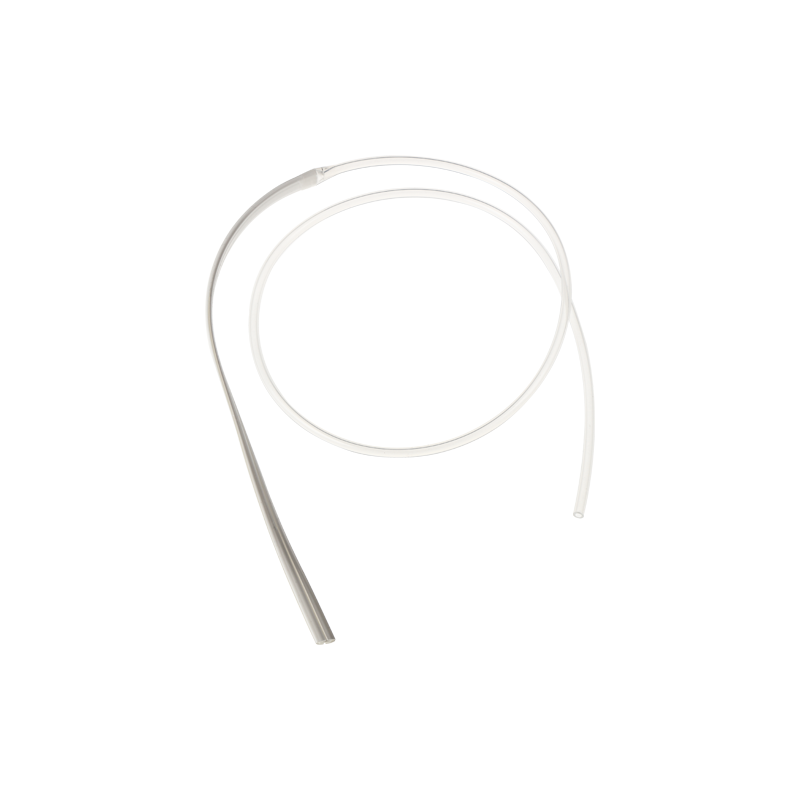
One of the primary components of a medical gas delivery system is the gas storage cylinder. These cylinders are carefully constructed to withstand high pressure and are equipped with safety features to prevent leaks and other hazards. Proper handling and storage of these cylinders are essential to maintaining safety standards within healthcare facilities.
Additionally, medical gas distribution systems often include pipelines that connect the central gas storage to various outlets in the facility. These pipelines are typically made of materials that prevent contamination and ensure the purity of the gases delivered. Regular maintenance and inspection of these pipelines are vital to avoid any potential issues that could compromise patient safety.
Another key feature of medical gas delivery systems is the use of regulators and flowmeters. Regulators are devices that control the pressure of the gas as it exits the cylinder, while flowmeters allow healthcare providers to monitor and adjust the flow rate of the gas being administered. Accurate regulation is critical, as variations in gas flow can significantly affect patient outcomes.
Medical gas delivery systems also require various accessories, such as masks, nasal cannulas, and ventilators, to facilitate the safe administration of gases. Each accessory must be compatible with the gas being used, and healthcare professionals should be trained in how to select and use these tools effectively.
Moreover, adherence to standards and regulations set by health organizations is imperative. These guidelines ensure that medical gas delivery systems operate safely and effectively, protecting both patients and healthcare workers. Regular training and education on these systems can enhance the competency of healthcare staff, leading to better patient care.
In conclusion, understanding medical gas delivery systems is essential for providing high-quality healthcare. These systems not only ensure the safe and efficient delivery of therapeutic gases but also play a vital role in the overall treatment process. Continuous education and adherence to safety standards will enhance the effectiveness of these systems, ultimately leading to improved patient outcomes in various medical settings.
PREVIOUS:

Contact Us
E-mail :
sales@jm-intl.com
Phone/WhatsApp:
+86 15201315855
Address:
Room 7-8, 9-1013, Building 13, Kangsheng Plaza, East of Guangxian Road, Xiazhuzhuang Sub-district, Wuqing District, Tianjin City



Can't find the service you're looking for? Contact us!
To inquire about our products, please leave your email to us and we will contact you within 24 hours.
Add
Room 7-8, 9-1013, Building 13, Kangsheng Plaza, East of Guangxian Road, Xiazhuzhuang Sub-district, Wuqing District, Tianjin City