Tianjin Honray Science and Technology Co., Ltd


The Evolution of Endotracheal Tube Connectors in Modern Medicine: Enhancing Patient Care and Safety
Sep 14,2026
The Evolution of Endotracheal Tube Connectors in Modern Medicine Introduction to Endotracheal Tube Connectors Endotracheal tubes are essential components in airway management, particularly for patients requiring mechanical ventilation or those undergoing surgical procedures. At the heart of these systems are **endotracheal tube connectors**, designed to link the tube to ventilators, oxygen sources
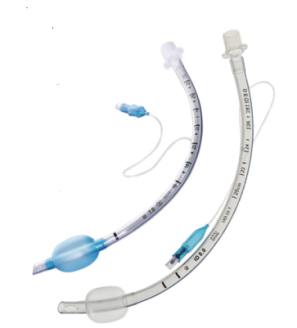
The Evolution of Endotracheal Tube Connectors in Modern Medicine
Introduction to Endotracheal Tube Connectors
Endotracheal tubes are essential components in airway management, particularly for patients requiring mechanical ventilation or those undergoing surgical procedures. At the heart of these systems are **endotracheal tube connectors**, designed to link the tube to ventilators, oxygen sources, and other medical equipment. This article explores the evolution of these connectors, highlighting the advancements that have significantly improved patient care.
The Importance of Effective Airway Management
In critical care and emergency medicine, effective airway management is paramount. Proper ventilation is crucial for maintaining adequate oxygenation and preventing respiratory failure. Endotracheal tube connectors play a vital role in ensuring secure and reliable connections between the endotracheal tube and breathing apparatus.
Understanding Endotracheal Tubes
An endotracheal tube is a flexible plastic tube that is inserted into the trachea to facilitate airflow. These tubes are designed to maintain an open airway and are commonly used in anesthesia and intensive care settings. The **connectors** serve as the interface between the tube and various medical devices, making their design and functionality critical for patient safety.
Types of Endotracheal Tube Connectors
Endotracheal tube connectors have evolved over the years, with various types designed to cater to different medical needs. The primary types include:
1. **Standard Connectors**: These are the most commonly used connectors, compatible with a wide range of endotracheal tubes and ventilators.
2. **Universal Connectors**: Designed to accommodate different manufacturers, these connectors enhance interoperability between devices.
3. **Anti-Reflux Connectors**: These innovative connectors prevent the backflow of fluid, reducing the risk of aspiration and infection.
4. **Smart Connectors**: Equipped with sensors, these connectors provide real-time data on airway pressure and flow, improving monitoring capabilities.
A Brief History of Endotracheal Tube Connectors
The journey of endotracheal tube connectors has been marked by significant milestones that reflect advancements in technology and medical understanding.
Early Designs of Connectors
Initially, connectors were simple and mostly made from rigid materials that lacked versatility. These earlier designs often posed challenges, including the risk of disconnection and difficulty in securing a tight fit.
Innovations in Connector Technology
As medical technology advanced, so did the design of endotracheal tube connectors. Innovations focused on enhancing security, compatibility, and ease of use. The introduction of materials like silicone and high-grade plastics allowed for more flexible and durable connectors, minimizing the risk of breakage and ensuring better patient outcomes.
Regulatory Changes and Standards
With the evolution of medical devices, regulatory bodies such as the **Food and Drug Administration (FDA)** and the **European Medicines Agency (EMA)** began implementing stricter guidelines. These regulations aimed to ensure the safety and efficacy of endotracheal tube connectors, ultimately benefiting patient care.
Modern Features of Endotracheal Tube Connectors
Today's endotracheal tube connectors come equipped with advanced features designed to enhance their functionality and safety.
Compatibility and Interoperability
Modern connectors are designed to be universally compatible with various brands of endotracheal tubes and ventilators. This interoperability ensures that healthcare providers can use different equipment without compromising patient safety.
Enhanced Security Mechanisms
Innovative locking mechanisms have been integrated into modern connectors to prevent disconnections during use. These mechanisms provide healthcare providers with peace of mind, knowing that the airway remains secure.
Antimicrobial Properties
To combat nosocomial infections, many endotracheal tube connectors now incorporate antimicrobial properties. These features help reduce the risk of infections, especially in critically ill patients who are more susceptible to complications.
Real-Time Monitoring Capabilities
Smart connectors equipped with sensors allow for real-time monitoring of respiratory parameters. These advancements enable healthcare providers to make informed decisions quickly, enhancing patient care.
Impact on Patient Care and Safety
The evolution of endotracheal tube connectors has had a profound impact on patient care, particularly in critical settings.
Improved Airway Management
With advancements in connector technology, airway management has become more efficient and secure. Healthcare providers can focus on delivering high-quality care while minimizing the risk of airway-related complications.
Reduction in Ventilator-Associated Pneumonia (VAP)
The incorporation of anti-reflux features and antimicrobial properties in connectors has led to a decrease in VAP rates. This improvement is crucial in enhancing patient recovery and reducing healthcare costs.
Enhanced Training and Education for Healthcare Providers
The development of modern connectors has necessitated the enhancement of training programs for healthcare providers. Educating medical personnel on the latest technologies and best practices ensures that they can effectively utilize these devices in patient care.
Future Directions in Endotracheal Tube Connector Design
As technology continues to evolve, the future of endotracheal tube connectors looks promising.
Integration of Artificial Intelligence (AI)
The integration of AI in connector technology could revolutionize patient monitoring. Predictive algorithms might enhance decision-making in critical situations, improving outcomes.
Personalized Connectors
Future designs may focus on personalized connectors tailored to individual patient needs. Customization could address specific anatomical considerations, further optimizing airway management.
Conclusion
The evolution of endotracheal tube connectors has significantly transformed airway management in modern medicine. From early designs to the advanced, multifunctional connectors of today, these devices play a crucial role in enhancing patient safety and care. As technology continues to advance, we anticipate further innovations that will improve the effectiveness of these vital medical tools. By understanding the history, current features, and future directions of endotracheal tube connectors, healthcare providers can better appreciate their importance in delivering high-quality patient care.
FAQs about Endotracheal Tube Connectors
1. What is the primary function of an endotracheal tube connector?
The primary function of an endotracheal tube connector is to securely connect the endotracheal tube to ventilators or other breathing apparatuses, ensuring adequate airflow.
2. How have endotracheal tube connectors improved patient safety?
Recent advancements in connector design, including enhanced security mechanisms and antimicrobial properties, have reduced the risk of disconnections and infections, thereby improving patient safety.
3. What materials are commonly used in modern endotracheal tube connectors?
Modern connectors are typically made from flexible materials such as silicone and high-grade plastics, which enhance durability and functionality.
4. Are there different types of endotracheal tube connectors?
Yes, there are several types of endotracheal tube connectors, including standard, universal, anti-reflux, and smart connectors, each designed for specific applications and compatibility.
5. What role does education play in the effective use of endotracheal tube connectors?
Education ensures that healthcare providers are knowledgeable about the latest connector technologies and best practices, improving their ability to deliver safe and effective patient care.
PREVIOUS:

Contact Us
E-mail :
sales@jm-intl.com
Phone/WhatsApp:
+86 15201315855
Address:
Room 7-8, 9-1013, Building 13, Kangsheng Plaza, East of Guangxian Road, Xiazhuzhuang Sub-district, Wuqing District, Tianjin City



Can't find the service you're looking for? Contact us!
To inquire about our products, please leave your email to us and we will contact you within 24 hours.
Add
Room 7-8, 9-1013, Building 13, Kangsheng Plaza, East of Guangxian Road, Xiazhuzhuang Sub-district, Wuqing District, Tianjin City