Tianjin Honray Science and Technology Co., Ltd


Comparative Analysis: Different Types of Surgical Suction Catheters for Optimal Patient Care
Aug 09,2026
Comparative Analysis: Different Types of Surgical Suction Catheters Table of Contents 1. Introduction to Surgical Suction Catheters 2. Importance of Surgical Suction in Medical Procedures 3. Types of Surgical Suction Catheters 3.1 Flexible Suction Catheters 3.2 Rigid Suction Catheters 3.3 Yankauer Suction Catheters 3.4 Therapeut
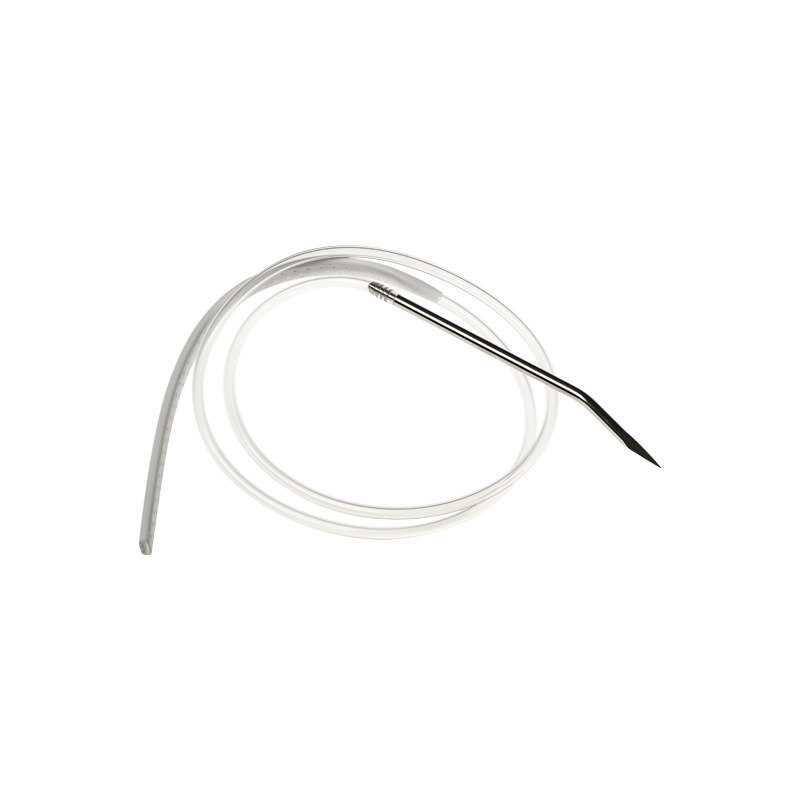
Comparative Analysis: Different Types of Surgical Suction Catheters
Table of Contents
- 1. Introduction to Surgical Suction Catheters
- 2. Importance of Surgical Suction in Medical Procedures
- 3. Types of Surgical Suction Catheters
- 3.1 Flexible Suction Catheters
- 3.2 Rigid Suction Catheters
- 3.3 Yankauer Suction Catheters
- 3.4 Therapeutic Suction Catheters
- 4. Applications of Surgical Suction Catheters
- 5. Comparative Analysis of Surgical Suction Catheters
- 6. Factors to Consider When Choosing Suction Catheters
- 7. Future Trends in Surgical Suction Technology
- 8. FAQs about Surgical Suction Catheters
- 9. Conclusion
1. Introduction to Surgical Suction Catheters
Surgical suction catheters are essential tools in modern medicine, designed to maintain a clear operative field by removing blood, fluids, and debris during surgical procedures. Their design and functionality can vary significantly depending on the specific requirements of a given operation, making familiarity with the different types crucial for healthcare professionals. This article aims to provide a comprehensive overview of various surgical suction catheters, highlighting their unique features and clinical applications.
2. Importance of Surgical Suction in Medical Procedures
The primary purpose of surgical suction is to ensure a clean and visible operative field. This is vital not only for the efficiency of the procedure but also for the safety and well-being of the patient. Effective suction can prevent complications, reduce the risk of infection, and promote better surgical outcomes. By understanding the various types of surgical suction catheters, healthcare professionals can make informed decisions that enhance patient care.
3. Types of Surgical Suction Catheters
Surgical suction catheters can be classified into several categories, each with distinct characteristics suited for different medical applications. Below, we delve into the four primary types.
3.1 Flexible Suction Catheters
Flexible suction catheters are characterized by their soft, pliable materials, allowing them to navigate the contours of various anatomical structures. These catheters are often used in procedures that require access to narrow or irregularly shaped spaces, such as the airways or gastrointestinal tract. Flexible suction catheters minimize trauma to surrounding tissues and are particularly useful in delicate surgical situations.
3.2 Rigid Suction Catheters
Rigid suction catheters are made from more robust materials, providing the strength necessary for high-flow suction needs. These catheters are typically utilized in open surgical procedures, where large volumes of fluids may need to be removed quickly. The design of rigid catheters allows for effective clearance of blood and debris, making them a staple in various surgical environments.
3.3 Yankauer Suction Catheters
The Yankauer suction catheter features a curved, rigid design with a wide opening, allowing for efficient suctioning of fluids. It is most commonly used in surgical settings for throat and oral procedures, where the rapid removal of fluids is essential. The Yankauer catheter is particularly beneficial in minimizing the risk of tissue damage, due to its smooth edges and ergonomic design.
3.4 Therapeutic Suction Catheters
Therapeutic suction catheters are specialized tools designed for specific medical conditions. These catheters often incorporate additional features, such as side ports for continuous drainage or balloon mechanisms for enhanced suction capabilities. They are utilized in various clinical settings, including respiratory therapy and wound management, where tailored suction solutions are required.
4. Applications of Surgical Suction Catheters
Surgical suction catheters are employed across a wide range of medical procedures, including but not limited to:
- **General Surgery:** Facilitating a clear surgical field during abdominal and thoracic surgeries.
- **Cardiothoracic Surgery:** Ensuring optimal visibility and clearance of fluids during heart and lung surgeries.
- **Orthopedic Surgery:** Managing blood and debris during joint replacements and other orthopedic procedures.
- **Emergency Medicine:** Rapidly clearing airways in trauma situations to facilitate breathing.
- **Endoscopy:** Assisting in the removal of fluids and secretions during minimally invasive procedures.
Understanding these applications allows healthcare providers to select the most appropriate suction catheter for each clinical scenario, ultimately enhancing patient care.
5. Comparative Analysis of Surgical Suction Catheters
To determine the most suitable type of suction catheter for a particular procedure, a comparative analysis of the various types is essential. Below, we evaluate the distinct features, advantages, and limitations of each category.
5.1 Flexible vs. Rigid Suction Catheters
Flexible suction catheters excel in navigating complex anatomical pathways, making them ideal for procedures requiring gentle maneuverability. However, their flow rates may not match those of rigid catheters, which can handle larger volumes more efficiently. Rigid catheters are preferable in high-fluid scenarios but may pose a greater risk of tissue trauma due to their stiff design.
5.2 Yankauer vs. Other Suction Catheters
The Yankauer suction catheter stands out with its unique design, which combines rigidity with a wide opening for effective fluid removal. While it is efficient for oral and throat procedures, it may not be suitable for deeper surgical fields where flexible catheters are required. A careful consideration of the surgical environment is necessary when selecting between these options.
5.3 Therapeutic Suction Catheters
Therapeutic suction catheters offer specialized features that enhance their effectiveness in specific clinical conditions. While they may not replace standard suction catheters in all scenarios, their targeted capabilities make them invaluable in managing particular patient needs.
6. Factors to Consider When Choosing Suction Catheters
When selecting a surgical suction catheter, several factors must be taken into account:
- **Procedure Type:** Different surgical procedures demand specific catheter designs and functionalities.
- **Patient Anatomy:** The anatomical considerations of the patient can dictate the choice of catheter type.
- **Fluid Volume:** High-flow procedures may require rigid catheters, while delicate surgeries may benefit from flexible options.
- **Material Compatibility:** The materials used in the catheter should be biocompatible to minimize the risk of adverse reactions.
By carefully evaluating these factors, medical professionals can ensure they choose the most appropriate suction catheter for each unique situation.
7. Future Trends in Surgical Suction Technology
The field of surgical suction technology is evolving, with innovations aimed at enhancing efficiency and patient safety. Some of the emerging trends include:
- **Smart Suction Catheters:** Integrating sensors that monitor fluid levels and provide real-time feedback to surgical teams.
- **Biodegradable Materials:** Developing suction catheters from eco-friendly materials that reduce environmental impact.
- **Enhanced Ergonomics:** Designing catheters with improved ergonomic handles for better control and reduced fatigue during lengthy procedures.
These advancements hold the potential to revolutionize surgical suction practices, making procedures safer and more efficient.
8. FAQs about Surgical Suction Catheters
What is the primary function of a surgical suction catheter?
The primary function of a surgical suction catheter is to remove blood, fluids, and debris from the surgical site to maintain a clear operative field.
How do I choose the right suction catheter for my procedure?
Selecting the appropriate suction catheter involves considering the type of procedure, patient anatomy, required fluid volume management, and material compatibility.
Are there any risks associated with using surgical suction catheters?
Potential risks include tissue trauma, infection, or improper suction leading to inadequate fluid removal. Proper technique and catheter selection can mitigate these risks.
Can suction catheters be reused?
Many suction catheters are designed for single use to prevent cross-contamination and infection. However, some rigid catheters can be sterilized and reused, depending on the manufacturer's guidelines.
What advancements are being made in suction catheter technology?
Advancements include the development of smart suction catheters with integrated sensors, biodegradable materials, and ergonomic designs aimed at improving usability and safety.
9. Conclusion
Surgical suction catheters play a vital role in a wide array of medical procedures, contributing to patient safety and surgical effectiveness. By understanding the different types available—flexible, rigid, Yankauer, and therapeutic—healthcare providers can make informed decisions that enhance surgical outcomes. As technology continues to evolve, the future of surgical suction will likely see further innovations that improve efficiency and patient care, solidifying the importance of these essential tools in modern medicine.
PREVIOUS:

Contact Us
E-mail :
sales@jm-intl.com
Phone/WhatsApp:
+86 15201315855
Address:
Room 7-8, 9-1013, Building 13, Kangsheng Plaza, East of Guangxian Road, Xiazhuzhuang Sub-district, Wuqing District, Tianjin City



Can't find the service you're looking for? Contact us!
To inquire about our products, please leave your email to us and we will contact you within 24 hours.
Add
Room 7-8, 9-1013, Building 13, Kangsheng Plaza, East of Guangxian Road, Xiazhuzhuang Sub-district, Wuqing District, Tianjin City