Tianjin Honray Science and Technology Co., Ltd


Understanding Anesthesia Breathing Circuits: Essential Components for Safe Surgical Procedures
Aug 12,2026
Anesthesia breathing circuits are vital components in the administration of anesthesia during surgical procedures. These circuits are designed to facilitate the delivery of anesthetic gases and oxygen to patients while allowing for the efficient removal of carbon dioxide. Understanding the various types of anesthesia breathing circuits, their components, and their proper usage is crucial for healt
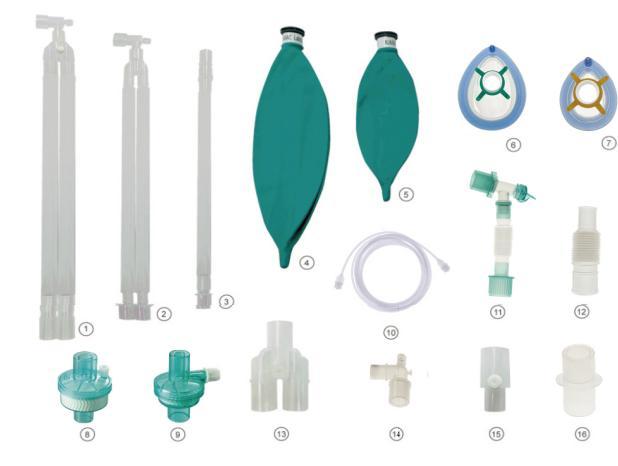
At the core of every anesthesia breathing circuit is the concept of gas flow. The basic components of these circuits include a fresh gas flow inlet, a carbon dioxide absorber, a ventilatory limb, and a patient interface (such as an endotracheal tube or facemask). The fresh gas flow inlet allows for the introduction of anesthetic agents mixed with oxygen, while the carbon dioxide absorber captures exhaled carbon dioxide, preventing its accumulation in the breathing circuit.
Different types of anesthesia breathing circuits are available, including the Mapleson systems, which are classified into several categories (A, B, C, D, and E). Each type has unique characteristics and is suited for different clinical scenarios. For instance, the Mapleson D system is known for its efficiency in spontaneous ventilation, making it ideal for certain types of surgeries. In contrast, the Mapleson A system may be preferred for controlled ventilation due to its low resistance and rapid elimination of anesthetic gases.
Proper maintenance and monitoring of anesthesia breathing circuits are essential to prevent complications during surgery. Regular inspection for leaks, ensuring that all components are functioning correctly, and replacing any damaged parts are crucial steps in ensuring the circuit operates effectively. Additionally, understanding the importance of humidity and temperature control within the circuit can prevent airway complications and patient discomfort.
When utilizing anesthesia breathing circuits, healthcare professionals should also be familiar with the relevant safety regulations and guidelines. Adhering to best practices not only enhances patient safety but also minimizes the risk of cross-contamination and infection during surgical procedures.
In conclusion, anesthesia breathing circuits are indispensable tools in modern surgical practice. A comprehensive understanding of their components, types, and best practices is essential for healthcare professionals to ensure safe and effective anesthesia delivery. By maintaining high standards of care in managing these circuits, medical practitioners can significantly enhance patient outcomes and contribute to the overall success of surgical interventions.

Contact Us
E-mail :
sales@jm-intl.com
Phone/WhatsApp:
+86 15201315855
Address:
Room 7-8, 9-1013, Building 13, Kangsheng Plaza, East of Guangxian Road, Xiazhuzhuang Sub-district, Wuqing District, Tianjin City



Can't find the service you're looking for? Contact us!
To inquire about our products, please leave your email to us and we will contact you within 24 hours.
Add
Room 7-8, 9-1013, Building 13, Kangsheng Plaza, East of Guangxian Road, Xiazhuzhuang Sub-district, Wuqing District, Tianjin City