Tianjin Honray Science and Technology Co., Ltd


Understanding Anesthesia Breathing Circuits: Essential Components for Effective Anesthesia Administration
May 20,2026
Anesthesia breathing circuits are essential components in the field of anesthesia, facilitating the delivery of anesthetic agents, oxygen, and other gases to patients undergoing surgical procedures. These circuits play a crucial role in ensuring patient safety and comfort while allowing for the precise control of ventilation during anesthesia administration. There are several types of anesthesia b
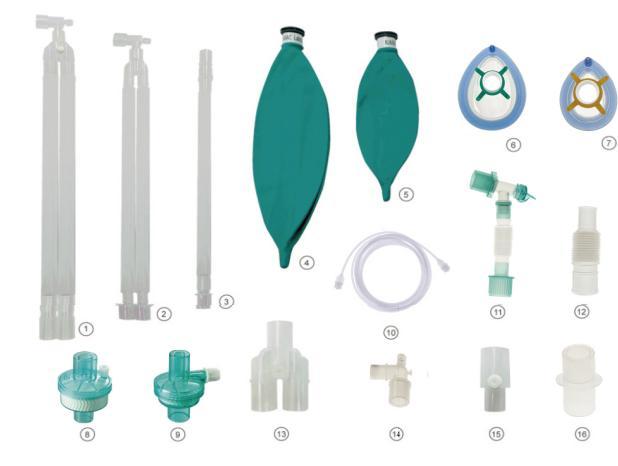
There are several types of anesthesia breathing circuits, each with its unique features and applications. The most common types include the circle system, the Bain circuit, and the Mapleson systems (A, B, C, D, and E). The choice of breathing circuit often depends on the specific needs of the procedure, patient characteristics, and the anesthesiologist's preference.
The circle system, for example, is widely used due to its efficient gas exchange and ability to conserve anesthetic gases. It incorporates a unidirectional valve system that allows for the rebreathing of exhaled gases after CO2 removal, making it economical and environmentally friendly. The Bain circuit, a modification of the Mapleson D system, is known for its lightweight and lack of resistance, making it an excellent choice for spontaneous ventilation.
Each breathing circuit consists of several key components, including the breathing tube, connectors, valves, and a reservoir bag. The breathing tube is designed to transport gases to and from the patient, while connectors ensure compatibility with various anesthesia machines. Valves play a critical role in directing gas flow and preventing backflow, which is vital for maintaining proper ventilation. The reservoir bag provides a source of additional gases and serves as a visual indicator of the patient's breathing status.
When selecting an anesthesia breathing circuit, professionals must consider various factors, including the patient's airway anatomy, anticipated ventilation requirements, and potential complications. For instance, patients with difficult airways may require specialized circuits that facilitate easier intubation and ventilation. Additionally, the circuit's size and flexibility can impact its suitability for different patient demographics, such as pediatric or obese patients.
In conclusion, understanding anesthesia breathing circuits is paramount for healthcare professionals involved in surgical procedures. By selecting the appropriate circuit and ensuring proper usage, anesthesiologists can enhance patient safety, optimize gas delivery, and contribute to successful surgical outcomes. Continual education and awareness of advancements in anesthesia technology will further empower professionals in the ever-evolving landscape of medical practice.

Contact Us
E-mail :
sales@jm-intl.com
Phone/WhatsApp:
+86 15201315855
Address:
Room 7-8, 9-1013, Building 13, Kangsheng Plaza, East of Guangxian Road, Xiazhuzhuang Sub-district, Wuqing District, Tianjin City



Can't find the service you're looking for? Contact us!
To inquire about our products, please leave your email to us and we will contact you within 24 hours.
Add
Room 7-8, 9-1013, Building 13, Kangsheng Plaza, East of Guangxian Road, Xiazhuzhuang Sub-district, Wuqing District, Tianjin City