Tianjin Honray Science and Technology Co., Ltd


Why Medical Gas Delivery Systems Are Essential for Surgical Procedures
May 18,2026
Why Medical Gas Delivery Systems Are Essential for Surgical Procedures Table of Contents 1. Introduction to Medical Gas Delivery Systems 2. Understanding Medical Gases in Healthcare - 2.1 Types of Medical Gases Used in Surgery - 2.2 Properties and Characteristics of Medical Gases 3. The Role of Medical Gas Delivery Systems in Surgical Procedures - 3.1 Supporting Anesthesia wit
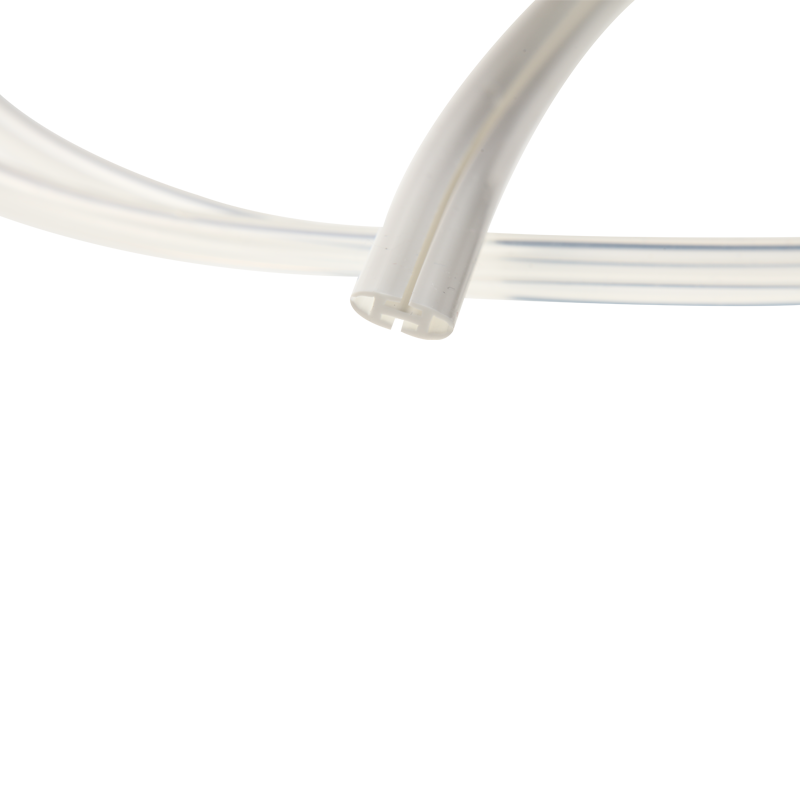
Why Medical Gas Delivery Systems Are Essential for Surgical Procedures
Table of Contents
1. Introduction to Medical Gas Delivery Systems
2. Understanding Medical Gases in Healthcare
- 2.1 Types of Medical Gases Used in Surgery
- 2.2 Properties and Characteristics of Medical Gases
3. The Role of Medical Gas Delivery Systems in Surgical Procedures
- 3.1 Supporting Anesthesia with Medical Gases
- 3.2 Oxygen Delivery: A Vital Component
4. Key Components of Medical Gas Delivery Systems
5. Safety Considerations for Medical Gas Delivery
- 5.1 Maintenance and Monitoring of Gas Systems
6. Future Trends in Medical Gas Delivery Systems
7. Conclusion
8. Frequently Asked Questions
Introduction to Medical Gas Delivery Systems
In the realm of surgical healthcare, the efficient and reliable delivery of medical gases is paramount. **Medical gas delivery systems** serve as the backbone of surgical environments, ensuring that essential gases such as oxygen, nitrous oxide, and anesthetic agents are available and administered appropriately. These systems not only support life but also enhance the efficacy of surgical procedures, making them indispensable in modern operating rooms.
Understanding Medical Gases in Healthcare
Medical gases are specialized gases used in healthcare settings to support patient care. Each type of gas has distinct properties and functions, critical for various medical applications.
Types of Medical Gases Used in Surgery
There are several key types of medical gases commonly utilized in surgical procedures:
- **Oxygen (O2)**: The most crucial gas for respiration and patient survival.
- **Nitrous Oxide (N2O)**: Often used as an anesthetic agent for its analgesic and euphoric effects.
- **Carbon Dioxide (CO2)**: Employed in minimally invasive surgeries to inflate body cavities.
- **Helium (He)**: Utilized for its low density, facilitating efficient gas exchange in certain procedures.
- **Anesthetic Gases**: Various agents like sevoflurane and isoflurane are used for general anesthesia.
Properties and Characteristics of Medical Gases
Each medical gas possesses unique properties that dictate its use in clinical settings. For instance, oxygen is flammable and requires careful handling, whereas nitrous oxide is non-flammable but supports combustion. Understanding these properties is essential for healthcare professionals to mitigate risks and ensure patient safety.
The Role of Medical Gas Delivery Systems in Surgical Procedures
Medical gas delivery systems facilitate the safe and effective administration of gases in surgical settings. Their role can be broken down into several essential functions.
Supporting Anesthesia with Medical Gases
Anesthesia is a critical component of surgery, allowing patients to undergo procedures without experiencing pain or distress. Medical gas delivery systems are designed to accurately mix and deliver anesthetic gases in controlled concentrations, ensuring optimal conditions for patient safety and comfort.
Oxygen Delivery: A Vital Component
Oxygen delivery systems help maintain appropriate oxygen levels during surgery, crucial for patient survival. In many surgeries, maintaining adequate oxygenation is vital to prevent complications such as hypoxia.
Key Components of Medical Gas Delivery Systems
A medical gas delivery system consists of several components that work together to provide safe and effective gas delivery:
- **Gas Cylinders**: Contain the medical gases under pressure.
- **Regulators**: Control the flow and pressure of gases delivered to patients.
- **Flow Meters**: Measure the flow rate of gases, ensuring accurate dosing.
- **Manifolds**: Allow for the connection of multiple gas sources and distribution to various points in the operating room.
Safety Considerations for Medical Gas Delivery
Ensuring the safety of medical gas delivery systems is paramount. Healthcare professionals must be trained in best practices for usage and maintenance.
Maintenance and Monitoring of Gas Systems
Regular maintenance and monitoring of gas delivery systems are critical to ensure functionality and safety. Routine inspections should include checking gas levels, inspecting connections, and ensuring that emergency shut-off valves are operational.
Future Trends in Medical Gas Delivery Systems
The advancement of technology is leading to innovative developments in medical gas delivery systems.
- **Automation and Smart Systems**: New systems incorporate automation for precise gas management.
- **Integration with Monitoring Technologies**: Enhanced integration with patient monitoring systems allows for real-time adjustments based on patient needs.
- **Sustainability Innovations**: As the healthcare industry moves towards sustainability, there is an increasing focus on reducing waste and improving the lifecycle of medical gas systems.
Conclusion
In conclusion, **medical gas delivery systems are essential for the success of surgical procedures**. They play a pivotal role in patient safety, anesthesia support, and overall surgical efficacy. The advanced technology and diligent maintenance of these systems ensure that healthcare providers can deliver optimal care in the operating room.
Frequently Asked Questions
1. **What are the primary medical gases used in surgical procedures?**
The primary gases include oxygen, nitrous oxide, carbon dioxide, and various anesthetic gases.
2. **How do medical gas delivery systems ensure patient safety?**
These systems are designed to precisely regulate and monitor gas delivery, preventing overdosing and ensuring adequate oxygenation.
3. **What maintenance is required for medical gas delivery systems?**
Regular inspections, monitoring gas levels, and ensuring all components function correctly are vital for maintenance.
4. **Why is oxygen delivery crucial during surgery?**
Oxygen delivery is critical to prevent hypoxia and ensure patient survival during surgical interventions.
5. **What future innovations can we expect in medical gas delivery systems?**
Expect advancements in automation, integration with monitoring technologies, and sustainable practices in medical gas management.

Contact Us
E-mail :
sales@jm-intl.com
Phone/WhatsApp:
+86 15201315855
Address:
Room 7-8, 9-1013, Building 13, Kangsheng Plaza, East of Guangxian Road, Xiazhuzhuang Sub-district, Wuqing District, Tianjin City



Can't find the service you're looking for? Contact us!
To inquire about our products, please leave your email to us and we will contact you within 24 hours.
Add
Room 7-8, 9-1013, Building 13, Kangsheng Plaza, East of Guangxian Road, Xiazhuzhuang Sub-district, Wuqing District, Tianjin City