Tianjin Honray Science and Technology Co., Ltd


The Essential Guide to Disposable Respiratory Masks in Medical Settings
Sep 05,2026
Disposable respiratory masks are critical components in the medical and healthcare sectors, particularly in surgical environments. Designed to provide a barrier against airborne particles, these masks play a significant role in protecting both patients and healthcare professionals during procedures. Understanding their construction, usage, and limitations can enhance safety and efficacy in clinica
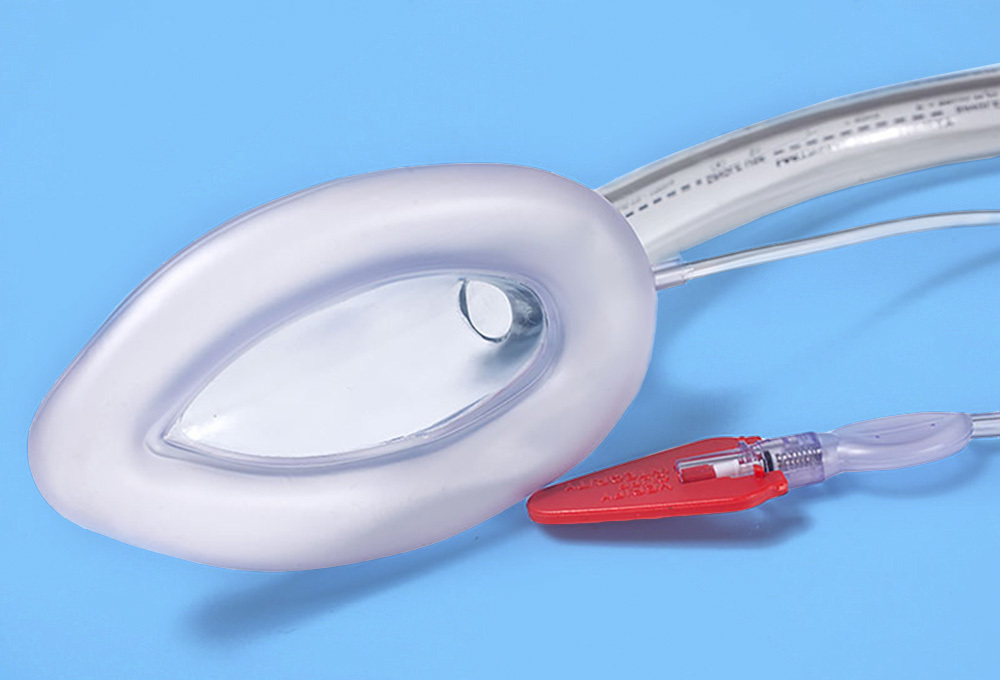
One of the primary functions of disposable respiratory masks is to filter out potentially harmful particles, including bacteria and viruses. They are typically made from multiple layers of non-woven fabric that provide effective filtration while maintaining breathability. This design allows healthcare workers to wear them comfortably for extended periods, which is essential during lengthy surgical procedures or examinations.
In medical settings, disposable respiratory masks are often classified based on their filtration efficiency. Masks that meet certain standards can significantly reduce the risk of infection and transmission of pathogens. For instance, masks with a higher particulate filtration efficiency (PFE) are preferred in environments where exposure to infectious agents is a concern. In surgical theaters, where sterile conditions are paramount, the use of higher-grade masks is often mandated to safeguard both staff and patients.
Proper usage and disposal of disposable respiratory masks are crucial for maintaining hygiene and effectiveness. Healthcare professionals should always fit the mask snugly over the nose and mouth, ensuring there are no gaps where air can enter unfiltered. It's also important to change masks regularly, especially in situations where they may become damp or soiled, as this can compromise their protective capabilities.
Training for staff on the correct use of disposable respiratory masks should be an integral part of safety protocols in healthcare facilities. This includes guidance on when to wear masks, how to put them on and take them off safely, and the importance of hand hygiene before and after touching masks. By following these practices, healthcare environments can reduce the risk of cross-contamination.
While disposable respiratory masks are incredibly effective, they do have limitations. They are primarily designed for single use and should not be reused, as this can lead to an increased risk of infection. Furthermore, they may not provide adequate protection in all situations, particularly for aerosol-generating procedures. Therefore, understanding the specific needs of a clinical environment is essential for choosing the right type of respiratory protection.
In conclusion, disposable respiratory masks are indispensable in the healthcare industry, offering essential protection during surgical and medical procedures. By fostering a thorough understanding of their use and limitations, healthcare facilities can ensure the safety of their staff and patients alike, contributing to better health outcomes.
PREVIOUS:

Contact Us
E-mail :
sales@jm-intl.com
Phone/WhatsApp:
+86 15201315855
Address:
Room 7-8, 9-1013, Building 13, Kangsheng Plaza, East of Guangxian Road, Xiazhuzhuang Sub-district, Wuqing District, Tianjin City



Can't find the service you're looking for? Contact us!
To inquire about our products, please leave your email to us and we will contact you within 24 hours.
Add
Room 7-8, 9-1013, Building 13, Kangsheng Plaza, East of Guangxian Road, Xiazhuzhuang Sub-district, Wuqing District, Tianjin City