Tianjin Honray Science and Technology Co., Ltd


How Anesthesia Breathing Circuits Work: A Deep Dive into Their Mechanisms
Jul 22,2026
How Anesthesia Breathing Circuits Work: A Deep Dive into Their Mechanisms Table of Contents What Are Anesthesia Breathing Circuits? The Importance of Breathing Circuits in Anesthesia Key Components of Anesthesia Breathing Circuits How Breathing Circuits Function Types of Anesthesia Breathing Circuits Maintenance and Care of Breathing Circuits Recent Advancements in
How Anesthesia Breathing Circuits Work: A Deep Dive into Their Mechanisms
Table of Contents
- What Are Anesthesia Breathing Circuits?
- The Importance of Breathing Circuits in Anesthesia
- Key Components of Anesthesia Breathing Circuits
- How Breathing Circuits Function
- Types of Anesthesia Breathing Circuits
- Maintenance and Care of Breathing Circuits
- Recent Advancements in Breathing Circuit Technology
- The Future of Anesthesia Breathing Circuits
- FAQs About Anesthesia Breathing Circuits
What Are Anesthesia Breathing Circuits?
Anesthesia breathing circuits are vital pieces of medical equipment used during surgical procedures to deliver anesthetic gases and oxygen to patients. These circuits facilitate the exchange of gases between the patient and the anesthesia machine, ensuring that the patient remains in a controlled state of unconsciousness and is capable of breathing properly throughout the operation.
The Importance of Breathing Circuits in Anesthesia
Breathing circuits play a crucial role in the safe delivery of anesthesia. They allow for the precise administration of inhalational anesthetics, which are essential for maintaining sedation and analgesia during surgery. Properly functioning breathing circuits help reduce the risk of complications, such as hypoxia (low oxygen levels), by ensuring that the patient receives a consistent and adequate supply of oxygen and anesthetic gases.
Key Components of Anesthesia Breathing Circuits
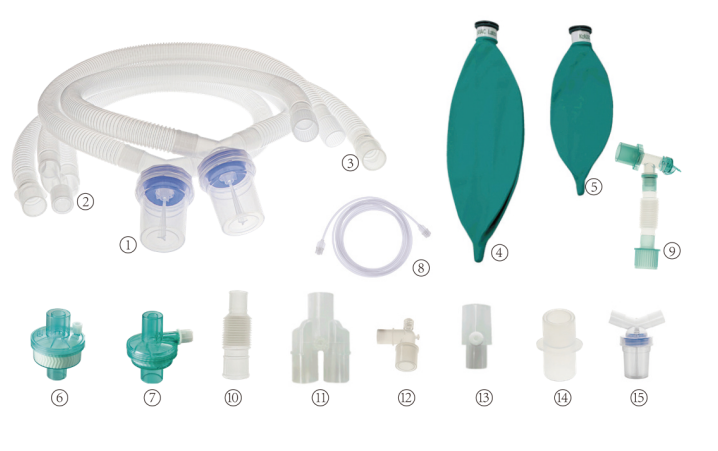
Understanding the components of anesthesia breathing circuits is essential for appreciating how they work. The primary components include:
1. **Reservoir Bag**
The reservoir bag is a flexible bag that stores a supply of anesthetic gases and allows for the manual ventilation of the patient. By squeezing the bag, the anesthetist can deliver additional breaths to the patient, ensuring adequate ventilation.
2. **Endotracheal Tube (ET Tube)**
The ET tube is inserted into the patient’s trachea to maintain an open airway and deliver anesthetic gases directly to the lungs. It acts as a conduit for gas flow, ensuring that the patient receives the necessary anesthetic agents during the procedure.
3. **Inspiratory and Expiratory Limbs**
These limbs connect the anesthesia machine to the patient. The inspiratory limb carries the anesthetic gases from the machine to the patient, while the expiratory limb carries exhaled gases back to the machine.
4. **Unidirectional Valves**
Unidirectional valves are placed in the circuit to ensure that gas flows in only one direction, preventing backflow and ensuring that the patient inhales fresh gases while exhaling used gases.
5. **Carbon Dioxide Absorber**
This component absorbs carbon dioxide from the exhaled gases, preventing the buildup of CO2 in the breathing circuit. It helps maintain the proper balance of gases in the circuit and supports patient safety.
How Breathing Circuits Function
The functioning of anesthesia breathing circuits involves several key mechanisms:
1. **Gas Delivery**
The anesthesia machine generates a mixture of inhalational anesthetics and oxygen. The gases travel through the inspiratory limb, into the reservoir bag, and then through the ET tube into the patient’s lungs.
2. **Ventilation Support**
During surgery, the anesthetist monitors the patient’s ventilation. If necessary, they can manually ventilate the patient by squeezing the reservoir bag to ensure that the patient’s lungs are adequately inflated. This function is critical during surgeries that may impair the patient’s ability to breathe independently.
3. **Gas Exchange**
As the patient inhales, the anesthetic gases enter the alveoli of the lungs, where they diffuse into the bloodstream, providing the necessary sedation. During exhalation, the used gases are expelled through the expiratory limb, passing through the unidirectional valves and into the anesthesia machine for disposal or recycling.
Types of Anesthesia Breathing Circuits
There are several types of anesthesia breathing circuits, each designed for specific situations:
1. **Mapleson Systems**
The Mapleson classification categorizes breathing systems based on their efficiency in delivering anesthetic gases. Mapleson A (e.g., Bain circuit) is known for its low resistance and high efficiency, making it ideal for spontaneous ventilation.
2. **Circle System**
The circle system reuses exhaled gases after removing carbon dioxide through a filter, making it more economical and environmentally friendly. This circuit is often used in longer surgical procedures due to its efficiency in conserving gases.
3. **Non-Rebreathing Systems**
These circuits do not allow any rebreathing of exhaled gases. They are useful for short procedures and are characterized by their simple design, allowing for quick setup and ease of use.
Maintenance and Care of Breathing Circuits
To ensure the safe and effective use of anesthesia breathing circuits, proper maintenance and care are essential:
1. **Regular Inspection**
Regularly inspect the breathing circuit for any signs of wear, leaks, or damage. Any compromised components should be replaced immediately to ensure patient safety.
2. **Cleaning Protocols**
Establish and follow cleaning protocols to maintain hygiene standards. Components such as the reservoir bag and ET tube should be thoroughly cleaned and sterilized after each use.
3. **Replacement of Components**
Replace disposable parts, such as filters and unidirectional valves, after each use to prevent cross-contamination and ensure optimal performance.
Recent Advancements in Breathing Circuit Technology
With advancements in technology, anesthesia breathing circuits have seen significant improvements:
1. **Smart Breathing Circuits**
Modern circuits are now equipped with sensors that monitor gas flow and levels in real-time. These smart systems can alert anesthetists to any abnormalities or malfunctions, enhancing patient safety and improving outcomes.
2. **Improved Materials**
The use of advanced materials has led to lighter and more durable breathing circuits that are easier to handle and less likely to tear or leak.
3. **Eco-Friendly Options**
Newer breathing circuits are being developed with a focus on sustainability, using materials that are both effective and environmentally friendly, reducing waste and the ecological footprint of medical procedures.
The Future of Anesthesia Breathing Circuits
As the field of anesthesia continues to evolve, we can expect to see further improvements in breathing circuit technology. Future innovations may include:
1. **Integration with AI**
Artificial intelligence could play a significant role in optimizing gas delivery and ventilation strategies, providing real-time adjustments based on the patient’s physiological responses.
2. **Telemedicine Applications**
Remote monitoring of anesthesia breathing circuits could become a reality, allowing anesthetists to oversee multiple patients and respond more efficiently during surgeries.
3. **Personalized Anesthesia Solutions**
With advancements in genomics and patient data analytics, anesthesia breathing circuits may become tailored to individual patient profiles, enhancing efficacy and safety during procedures.
FAQs About Anesthesia Breathing Circuits
1. **What is the primary function of an anesthesia breathing circuit?**
The primary function of an anesthesia breathing circuit is to deliver a precise mixture of anesthetic gases and oxygen to the patient while facilitating the exchange of gases during ventilation.
2. **How often should breathing circuits be replaced?**
Disposable components of breathing circuits should be replaced after each use, while reusable components should be inspected regularly and replaced as necessary based on wear and tear.
3. **What are the risks associated with malfunctioning breathing circuits?**
Malfunctioning breathing circuits can lead to inadequate ventilation, hypoxia, or accumulation of carbon dioxide, posing serious risks to patient safety during anesthesia.
4. **Are there different breathing circuits for pediatric and adult patients?**
Yes, there are specialized breathing circuits designed for pediatric patients, which account for their unique anatomical and physiological characteristics.
5. **How can I ensure the proper functioning of a breathing circuit?**
Regular inspection, cleaning, and maintenance of the breathing circuit, along with adherence to manufacturer guidelines and protocols, are crucial to ensure proper functioning and patient safety.
Conclusion
In conclusion, anesthesia breathing circuits are fundamental components in the safe delivery of anesthesia during surgical procedures. Understanding their mechanisms, components, and maintenance is essential for healthcare professionals to optimize patient safety and improve surgical outcomes. As technology continues to advance, the future of anesthesia breathing circuits promises exciting developments aimed at enhancing efficacy and ease of use, ultimately contributing to better patient care.

Contact Us
E-mail :
sales@jm-intl.com
Phone/WhatsApp:
+86 15201315855
Address:
Room 7-8, 9-1013, Building 13, Kangsheng Plaza, East of Guangxian Road, Xiazhuzhuang Sub-district, Wuqing District, Tianjin City



Can't find the service you're looking for? Contact us!
To inquire about our products, please leave your email to us and we will contact you within 24 hours.
Add
Room 7-8, 9-1013, Building 13, Kangsheng Plaza, East of Guangxian Road, Xiazhuzhuang Sub-district, Wuqing District, Tianjin City