Tianjin Honray Science and Technology Co., Ltd


Understanding Medical Gas Delivery Systems: A Comprehensive Overview
Jun 25,2026
Medical gas delivery systems are vital components of healthcare facilities, providing various gases necessary for patient care, including oxygen, nitrous oxide, and medical air. These systems are designed to ensure the safe and efficient delivery of medical gases to patients, supporting a wide range of medical procedures, from anesthesia to respiratory therapy. The primary function of medical gas
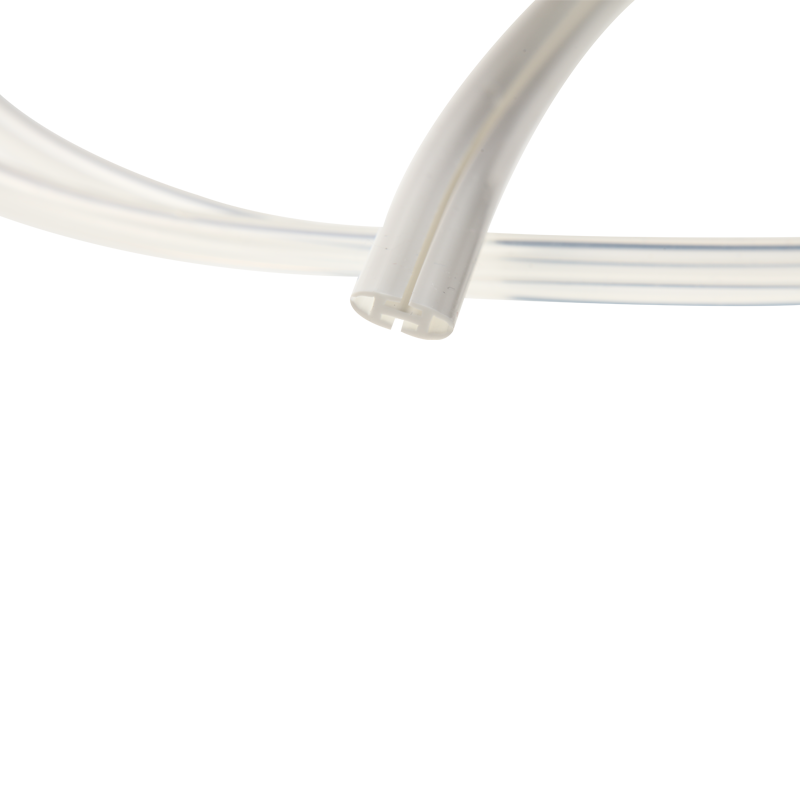
The primary function of medical gas delivery systems is to transport gases from storage tanks or cylinders to patient care areas. These systems typically comprise pipelines, valves, regulators, and outlets, each designed to maintain the integrity and safety of the gas supply. Such systems are installed throughout hospitals, clinics, and other healthcare settings, allowing for centralized management of medical gases.
There are different types of medical gas delivery systems, including central supply systems and portable systems. Central systems are often found in larger healthcare facilities, where they provide a continuous flow of gases through a network of pipes. These systems are beneficial because they reduce the need for individual gas cylinders, thus minimizing the risk of running out of gas during critical procedures. In contrast, portable systems are used in emergencies or situations where mobility is required. They allow for flexibility in delivering medical gases, ensuring that patient needs are met promptly.
Safety is a paramount concern when dealing with medical gas delivery systems. Regular maintenance and monitoring of these systems are essential to prevent leaks and ensure proper functioning. Healthcare providers must adhere to strict guidelines and regulations to ensure the safety of both patients and staff. Training for personnel on the correct usage of these systems is also crucial, reducing the potential for errors that could lead to adverse patient outcomes.
In addition to their primary purpose, medical gas delivery systems can contribute to the overall efficiency of healthcare operations. By enabling quick access to essential gases, they help streamline patient care processes, ultimately improving patient satisfaction and outcomes. Furthermore, the integration of advanced technologies, such as automated monitoring systems, can enhance the reliability of gas delivery, providing healthcare professionals with real-time data to make informed decisions.
In summary, medical gas delivery systems play a critical role in modern healthcare. Understanding their components, types, and importance can empower healthcare professionals to optimize their use, ensuring safe and effective patient care. By prioritizing safety and efficiency in the management of medical gases, healthcare facilities can significantly enhance the quality of care provided to patients.

Contact Us
E-mail :
sales@jm-intl.com
Phone/WhatsApp:
+86 15201315855
Address:
Room 7-8, 9-1013, Building 13, Kangsheng Plaza, East of Guangxian Road, Xiazhuzhuang Sub-district, Wuqing District, Tianjin City



Can't find the service you're looking for? Contact us!
To inquire about our products, please leave your email to us and we will contact you within 24 hours.
Add
Room 7-8, 9-1013, Building 13, Kangsheng Plaza, East of Guangxian Road, Xiazhuzhuang Sub-district, Wuqing District, Tianjin City