Tianjin Honray Science and Technology Co., Ltd


Understanding Medical Gas Delivery Systems: Essential Components and Functions
May 15,2026
Medical gas delivery systems are vital components of healthcare infrastructure, ensuring that patients receive the necessary gases for therapeutic and diagnostic purposes. These systems are designed to transport gases such as oxygen, nitrous oxide, and medical air from their source to the end user, typically patients in a clinical environment. Understanding the intricacies of these systems is esse
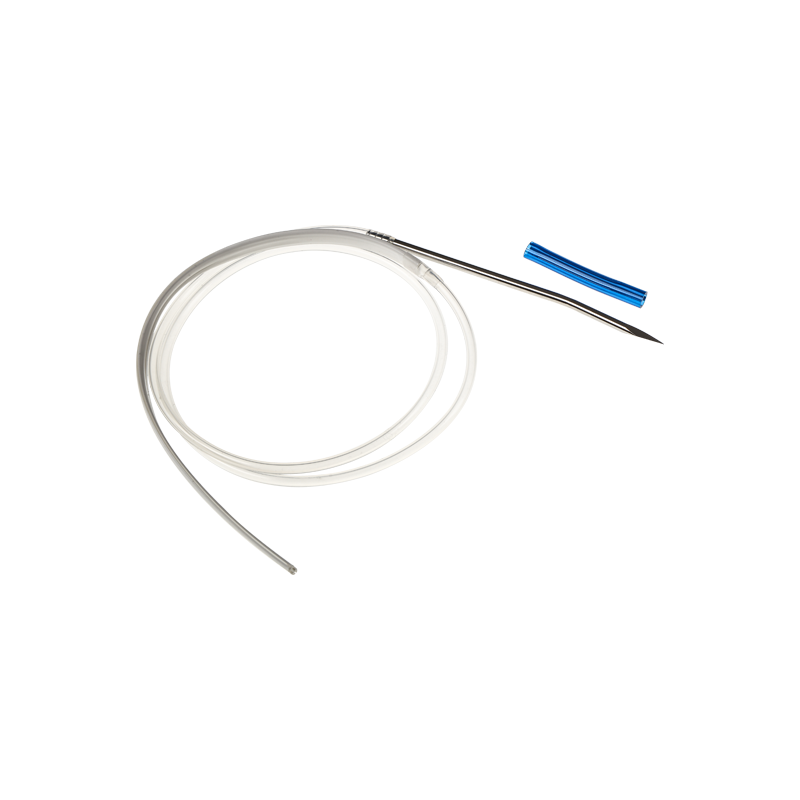
The core components of a medical gas delivery system include gas cylinders, pressure regulators, flow meters, and distribution piping. Gas cylinders serve as the primary storage units for medical gases and are designed to withstand high pressures to ensure safety and reliability. Pressure regulators are crucial for controlling the flow and pressure of the gas delivered to the patient, ensuring that the correct dosage is maintained. Flow meters allow healthcare providers to monitor the exact amount of gas being delivered, granting them the ability to adjust as needed based on patient requirements.
Another significant aspect of medical gas delivery systems is the distribution network that connects the gas sources to various points of use throughout a healthcare facility. This network includes a series of pipes and valves that must be meticulously maintained to prevent leaks and ensure optimal functionality. Regular inspections and adherence to safety regulations are critical to preventing accidents and ensuring the integrity of the delivery system.
In addition to the physical components, medical gas delivery systems are subject to various standards and regulations set by health authorities. Compliance with these regulations is vital for ensuring patient safety and effective treatment outcomes. Healthcare professionals must be well-versed in these guidelines to operate the systems safely and efficiently.
Furthermore, advancements in technology have led to the development of integrated medical gas delivery systems that enhance efficiency and streamline operations in healthcare settings. These systems often include digital monitoring tools that provide real-time data on gas consumption and system performance, allowing for proactive maintenance and reducing the risk of system failures.
In conclusion, medical gas delivery systems are essential for providing patients with the necessary therapeutic gases. Their components, functions, and adherence to regulations are critical for ensuring safety and effectiveness in healthcare settings. As the industry continues to evolve, understanding these systems becomes even more important for professionals working with medical materials and interventional devices. By maintaining knowledge of best practices and technological advancements, healthcare providers can enhance patient care and improve outcomes in various clinical scenarios.

Contact Us
E-mail :
sales@jm-intl.com
Phone/WhatsApp:
+86 15201315855
Address:
Room 7-8, 9-1013, Building 13, Kangsheng Plaza, East of Guangxian Road, Xiazhuzhuang Sub-district, Wuqing District, Tianjin City



Can't find the service you're looking for? Contact us!
To inquire about our products, please leave your email to us and we will contact you within 24 hours.
Add
Room 7-8, 9-1013, Building 13, Kangsheng Plaza, East of Guangxian Road, Xiazhuzhuang Sub-district, Wuqing District, Tianjin City