Tianjin Honray Science and Technology Co., Ltd


Innovations in Anesthesia Breathing Circuits: The Latest Developments Transforming Patient Care
May 14,2026
Innovations in Anesthesia Breathing Circuits: What’s New in the Market? Table of Contents 1. Introduction to Anesthesia Breathing Circuits 2. What Are Anesthesia Breathing Circuits? 3. Importance of Innovations in Anesthesia 4. Recent Advancements in Breathing Circuits 5. Introduction of Smart Breathing Circuits 6. The Role of Biocompatible Materials 7. Sustainability
Innovations in Anesthesia Breathing Circuits: What’s New in the Market?
Table of Contents
- 1. Introduction to Anesthesia Breathing Circuits
- 2. What Are Anesthesia Breathing Circuits?
- 3. Importance of Innovations in Anesthesia
- 4. Recent Advancements in Breathing Circuits
- 5. Introduction of Smart Breathing Circuits
- 6. The Role of Biocompatible Materials
- 7. Sustainability in Anesthesia Devices
- 8. Case Studies and Real-World Implementation
- 9. Frequently Asked Questions
- 10. Conclusion
1. Introduction to Anesthesia Breathing Circuits
Anesthesia breathing circuits are crucial components of modern surgical practice. These devices facilitate the delivery of anesthetic gases and oxygen to patients while removing carbon dioxide from their lungs. As surgical procedures become more complex, the demand for enhanced safety, efficiency, and patient comfort has fueled innovation in anesthesia breathing circuit technology.
In this article, we will explore the latest advancements in anesthesia breathing circuits, highlighting how these innovations are transforming the landscape of surgical anesthesia. By examining new materials, designs, and technologies, we aim to provide insights that will help healthcare professionals make informed decisions regarding the equipment they use in the operating room.
2. What Are Anesthesia Breathing Circuits?
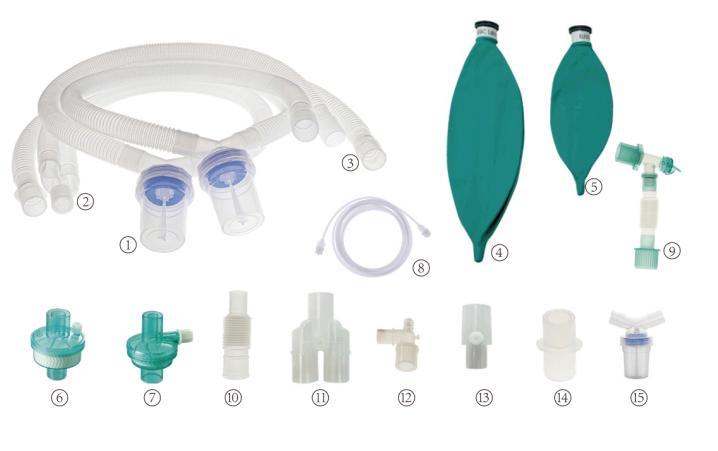
Anesthesia breathing circuits comprise a series of flexible tubes and connectors that link the anesthesia machine to the patient’s airway. They serve multiple purposes, including:
- Delivering anesthetic agents and oxygen.
- Facilitating the removal of exhaled carbon dioxide.
- Providing a pathway for monitoring the patient's respiratory status.
The two main types of breathing circuits are **semi-closed** and **closed circuits**. Semi-closed circuits allow for a continuous flow of fresh gas, while closed circuits recycle exhaled gases, making them more efficient in certain settings.
3. Importance of Innovations in Anesthesia
Innovation in anesthesia breathing circuits directly impacts patient safety and outcomes. With advancements in technology, manufacturers are developing systems that offer:
- **Enhanced patient safety**: New designs help minimize the risk of leaks and ensure more accurate gas delivery.
- **Increased efficiency**: Innovations like low-flow anesthesia techniques contribute to reduced gas consumption and lower costs.
- **Improved patient comfort**: Modern circuits can be designed to reduce dead space and improve ventilation.
These innovations not only benefit patients but also streamline workflows for anesthesiologists and surgical teams.
4. Recent Advancements in Breathing Circuits
Several key advancements in anesthesia breathing circuits have emerged in recent years:
4.1 Low-Flow Anesthesia Techniques
Low-flow techniques involve employing minimal fresh gas flow rates while maintaining anesthetic depth. Recent innovations in breathing circuits have optimized this process, allowing for:
- **Reduced environmental impact**: Lower gas consumption leads to decreased emissions of volatile anesthetics.
- **Cost savings**: Hospitals benefit from decreased usage of expensive anesthetic agents.
4.2 Improved Ventilation Strategies
Advancements in circuit design have also led to improved ventilation strategies. Specifically, the incorporation of:
- **Pressure sensors**: These devices monitor airway pressures, allowing for timely adjustments to minimize complications.
- **Flow meters**: Enhanced flow measurement technology ensures accurate delivery of gases, providing feedback for anesthetic management.
5. Introduction of Smart Breathing Circuits
The integration of smart technology into anesthesia breathing circuits marks a significant advancement in patient monitoring and anesthetic delivery. Smart breathing circuits utilize advanced software and sensors to:
- **Monitor patient status in real-time**: Continuous monitoring of vital signs ensures prompt detection of any adverse changes during surgery.
- **Adjust anesthetic delivery dynamically**: Automated systems can adjust gas flow based on real-time feedback from patients, optimizing depth and safety.
These innovations have the potential to significantly enhance patient outcomes and lower the incidence of complications during surgery.
6. The Role of Biocompatible Materials
Material selection is critical in the design of anesthesia breathing circuits. Recent trends have focused on using biocompatible materials that minimize adverse reactions in patients. Some notable developments include:
6.1 Advanced Plastics and Polymers
Manufacturers are now using advanced plastics and polymers that resist degradation and offer enhanced flexibility. These materials contribute to:
- **Improved durability**: Longer-lasting circuits reduce waste and costs associated with replacements.
- **Enhanced patient comfort**: Softer materials decrease irritation and improve the overall experience for patients.
6.2 Antimicrobial Coatings
To combat hospital-acquired infections, some breathing circuits feature antimicrobial coatings. These innovations help to:
- **Minimize bacterial growth**: Reducing the risk of contamination during procedures.
- **Enhance patient safety**: Lowering the incidence of postoperative infections.
7. Sustainability in Anesthesia Devices
As the healthcare industry increasingly prioritizes sustainability, manufacturers are developing anesthesia breathing circuits with environmental considerations in mind. Innovations in this area include:
7.1 Reusable Breathing Circuits
While single-use circuits are common, there is a growing trend towards reusable systems. These circuits are designed for multiple uses and can be sterilized between procedures, offering:
- **Reduced waste**: Minimizing the environmental impact of disposable devices.
- **Cost-effectiveness**: Lower long-term costs for healthcare facilities.
7.2 Eco-Friendly Materials
Manufacturers are exploring the use of biodegradable and recyclable materials in the production of anesthesia circuits. This shift promotes waste reduction and aligns with broader sustainability initiatives.
8. Case Studies and Real-World Implementation
The adoption of innovative anesthesia breathing circuits has already shown promising results in various clinical settings. Here are a few case studies:
8.1 Case Study: Implementing Smart Breathing Circuits
A large hospital system implemented smart breathing circuits in their operating rooms. Early results showed a decrease in anesthesia-related complications and a more efficient workflow for anesthesiologists, leading to improved patient satisfaction scores.
8.2 Case Study: Utilizing Biocompatible Materials
A surgical center upgraded their breathing circuits to those made from advanced biocompatible materials. The change resulted in a measurable reduction in patient complaints related to airway irritation, contributing to a smoother recovery process.
9. Frequently Asked Questions
9.1 What are the key features of modern anesthesia breathing circuits?
Modern anesthesia breathing circuits are designed with enhanced safety features, real-time monitoring capabilities, and materials that improve patient comfort.
9.2 How do smart breathing circuits work?
Smart breathing circuits integrate sensors and software to monitor patient parameters and adjust gas delivery dynamically, optimizing anesthetic management.
9.3 Are reusable breathing circuits safe for patients?
When properly sterilized, reusable breathing circuits can be safe and effective, offering a sustainable alternative to single-use devices.
9.4 What materials are most commonly used in anesthesia breathing circuits?
Advanced plastics, polymers, and biocompatible materials are commonly used to ensure durability, flexibility, and patient safety.
9.5 How do recent innovations impact the cost of anesthesia care?
While the upfront investment in innovative technology may be higher, long-term savings are realized through reduced gas consumption and lower complication rates.
10. Conclusion
The landscape of anesthesia breathing circuits is rapidly evolving, driven by innovations that prioritize patient safety, comfort, and sustainability. From smart technology integration to advancements in materials, these developments are not just reshaping how anesthesia is delivered—they are fundamentally improving patient outcomes in surgical settings.
As healthcare providers, staying informed about these innovations is crucial in enhancing the quality of care that we deliver. By embracing these advancements, we not only optimize surgical procedures but also contribute to a safer and more sustainable future in healthcare.

Contact Us
E-mail :
sales@jm-intl.com
Phone/WhatsApp:
+86 15201315855
Address:
Room 7-8, 9-1013, Building 13, Kangsheng Plaza, East of Guangxian Road, Xiazhuzhuang Sub-district, Wuqing District, Tianjin City



Can't find the service you're looking for? Contact us!
To inquire about our products, please leave your email to us and we will contact you within 24 hours.
Add
Room 7-8, 9-1013, Building 13, Kangsheng Plaza, East of Guangxian Road, Xiazhuzhuang Sub-district, Wuqing District, Tianjin City