Tianjin Honray Science and Technology Co., Ltd


Choosing the Right Endotracheal Tube Connector for Optimal Performance
May 13,2026
Choosing the Right Endotracheal Tube Connector for Optimal Performance Table of Contents Introduction to Endotracheal Tube Connectors Understanding Endotracheal Tube Connectors Importance of Choosing the Right Connector Types of Endotracheal Tube Connectors Standard Connectors High-Pressure Connectors Specialty Connectors
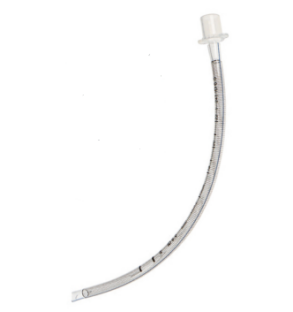
Choosing the Right Endotracheal Tube Connector for Optimal Performance
Table of Contents
- Introduction to Endotracheal Tube Connectors
- Understanding Endotracheal Tube Connectors
- Importance of Choosing the Right Connector
- Types of Endotracheal Tube Connectors
- Materials and Design Considerations
- Compatibility and Standards
- Best Practices for Using Endotracheal Tube Connectors
- Frequently Asked Questions
- Conclusion
Introduction to Endotracheal Tube Connectors
In the fast-paced world of healthcare, particularly in emergency and intensive care settings, the choice of **endotracheal tube connectors** plays a crucial role in patient outcomes. These connectors are integral components of **mechanical ventilation systems**, linking the endotracheal tube to the ventilator or other breathing apparatuses. The importance of selecting the appropriate connector cannot be overstated, as it directly impacts ventilation efficiency, patient safety, and overall clinical effectiveness.
Understanding Endotracheal Tube Connectors
Endotracheal tube connectors are specialized fittings designed to securely attach an endotracheal tube to various breathing devices. These connectors come in various shapes, sizes, and designs, each tailored for specific applications. Understanding the fundamentals of these connectors is essential for healthcare professionals, ensuring that they can provide the best care under pressure.
Importance of Choosing the Right Connector
Selecting the right endotracheal tube connector is paramount for several reasons. Firstly, **patient safety** is the foremost concern. A poorly fitting or incompatible connector can lead to **air leaks**, compromising the effectiveness of ventilation. Secondly, the right connector enhances the efficiency of the ventilation process, ensuring that patients receive adequate oxygenation and carbon dioxide removal. Additionally, the choice of connector can influence the ease of use during emergency procedures, making it vital for healthcare providers to be knowledgeable about their options.
Types of Endotracheal Tube Connectors
Endotracheal tube connectors come in a variety of types, each designed for specific scenarios. Understanding these types helps clinicians make informed decisions in critical situations.
Standard Connectors
Standard connectors are the most commonly used type in clinical settings. They typically feature a universal design that fits a wide range of endotracheal tubes and ventilators. These connectors offer a reliable and efficient means of securing the airway, making them the go-to choice for many healthcare professionals.
High-Pressure Connectors
High-pressure connectors are designed for use in situations where increased airway pressures are necessary. These connectors ensure a tight seal, preventing air leaks that can occur during mechanical ventilation at higher settings. They are particularly useful in cases of severe respiratory distress or when patients require high levels of positive pressure ventilation.
Specialty Connectors
Specialty connectors cater to unique patient needs or specific medical conditions. For example, some connectors are designed for use in pediatric care, while others may be optimized for use in surgical settings. These connectors often incorporate features that enhance functionality, such as built-in filters or one-way valves.
Materials and Design Considerations
When choosing an endotracheal tube connector, it is essential to consider the materials and design. Connectors are often made from durable and biocompatible materials, which minimize the risk of allergic reactions or adverse effects. Common materials include **polyvinyl chloride (PVC)** and **polycarbonate**, known for their strength and flexibility.
Additionally, the design of the connector must facilitate easy attachment and detachment, especially in emergency scenarios. The internal diameter of the connector should align with that of the endotracheal tube to ensure unobstructed airflow.
Compatibility and Standards
Ensuring compatibility between the endotracheal tube connector and the associated equipment is critical. Healthcare providers should always refer to manufacturer specifications and guidelines to confirm that the selected connector is appropriate for the type of tube being used. Furthermore, adherence to international standards, such as those set by the **American National Standards Institute (ANSI)** and the **International Organization for Standardization (ISO)**, guarantees that connectors meet safety and performance benchmarks.
Best Practices for Using Endotracheal Tube Connectors
To maximize patient safety and ventilation effectiveness, healthcare professionals should follow best practices when using endotracheal tube connectors:
1. **Conduct Regular Equipment Checks**: Regularly inspect connectors for any signs of wear or damage. Replace any connectors that show signs of degradation.
2. **Ensure Proper Sealing**: Verify that the connector creates a tight seal with the endotracheal tube to prevent air leaks.
3. **Use Sterile Techniques**: Maintain sterility during attachment and detachment to reduce the risk of infection.
4. **Stay Informed on New Products**: Continuously educate yourself on new connector designs and innovations to ensure the best patient care.
5. **Customize for Patient Needs**: Consider the specific requirements of each patient when selecting a connector, especially in pediatric or specialty cases.
Frequently Asked Questions
1. What is an endotracheal tube connector?
An endotracheal tube connector is a device that attaches an endotracheal tube to a ventilator or breathing apparatus, ensuring a secure and effective airway.
2. How do I know which connector to choose?
Choosing the right connector depends on factors such as the patient's needs, the type of ventilator used, and compatibility with the endotracheal tube. Consulting with medical guidelines and manufacturer specifications is essential.
3. Are there risks associated with using the wrong connector?
Yes, using an incompatible or poorly fitting connector can lead to air leaks, inadequate ventilation, and potential harm to the patient.
4. How often should connectors be replaced?
Connectors should be replaced regularly, especially if they show signs of wear, damage, or contamination. Following institutional protocols for equipment maintenance is crucial.
5. Can endotracheal tube connectors be reused?
Many connectors are designed for single use to ensure sterility and prevent infection. Always refer to manufacturer guidelines regarding reuse.
Conclusion
Selecting the appropriate endotracheal tube connector is vital for ensuring optimal performance in mechanical ventilation and patient care. By understanding the types, materials, compatibility, and best practices associated with these connectors, healthcare professionals can make informed decisions that significantly impact patient outcomes. In a field where every second counts, having the right tools at your disposal is essential for delivering the best possible care.

Contact Us
E-mail :
sales@jm-intl.com
Phone/WhatsApp:
+86 15201315855
Address:
Room 7-8, 9-1013, Building 13, Kangsheng Plaza, East of Guangxian Road, Xiazhuzhuang Sub-district, Wuqing District, Tianjin City



Can't find the service you're looking for? Contact us!
To inquire about our products, please leave your email to us and we will contact you within 24 hours.
Add
Room 7-8, 9-1013, Building 13, Kangsheng Plaza, East of Guangxian Road, Xiazhuzhuang Sub-district, Wuqing District, Tianjin City