Tianjin Honray Science and Technology Co., Ltd


The Importance of Proper Maintenance for Anesthesia Breathing Circuits: Ensuring Patient Safety and Operational Efficiency
Apr 07,2026
The Importance of Proper Maintenance for Anesthesia Breathing Circuits In the medical field, precision and safety are paramount, especially in surgical settings. One of the pivotal components of successful anesthesia management is the breathing circuit. Proper maintenance of these circuits is not merely a procedural requirement but a critical aspect of ensuring patient safety and operational effic
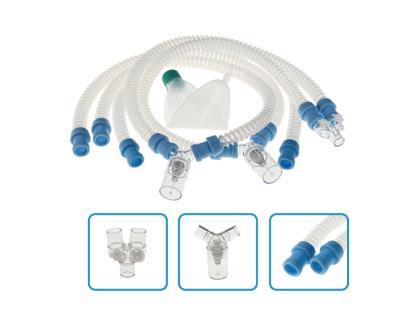
The Importance of Proper Maintenance for Anesthesia Breathing Circuits
In the medical field, precision and safety are paramount, especially in surgical settings. One of the pivotal components of successful anesthesia management is the breathing circuit. Proper maintenance of these circuits is not merely a procedural requirement but a critical aspect of ensuring patient safety and operational efficiency. In this article, we will delve into the significance of maintaining anesthesia breathing circuits, explore best practices, and address common challenges faced by healthcare facilities.
Understanding Anesthesia Breathing Circuits
Anesthesia breathing circuits are essential components that facilitate the delivery of anesthetic gases and oxygen to patients during surgery. These circuits comprise several key elements, including:
- **Endotracheal Tubes**
- **Lung Ventilation Bags**
- **Carbon Dioxide Absorbers**
- **Connecting Tubes**
Each of these components must function optimally to ensure effective ventilation and anesthesia delivery. Given the critical nature of their role, understanding their maintenance is essential for healthcare professionals.
The Role of Breathing Circuits in Patient Safety
Anesthesia breathing circuits are designed to maintain a patient's airway and facilitate efficient gas exchange. Proper maintenance of these systems directly impacts patient safety. Factors influencing safety include:
- **Minimization of Infection Risks**: Contaminated circuits can introduce pathogens into the patient's airway, leading to postoperative infections.
- **Prevention of Equipment Failures**: Regular checks and maintenance can mitigate risks associated with equipment malfunction during critical procedures.
- **Assurance of Gas Delivery**: Properly maintained circuits ensure that the correct concentrations of anesthetic agents are delivered, reducing the risk of hypoxia or anesthesia awareness.
Common Issues Arising from Poor Maintenance
Neglecting the maintenance of anesthesia breathing circuits can lead to various complications, including:
- **Increased Risk of Pneumonia**: Contaminated circuits can serve as a breeding ground for bacteria, leading to respiratory infections.
- **Device Malfunction**: Cracks, leaks, or blockages in the circuit can compromise ventilation and pose serious risks during surgery.
- **Reduced Equipment Lifespan**: Poor maintenance practices can shorten the life of critical equipment, leading to increased costs and downtime.
Best Practices for Maintaining Anesthesia Breathing Circuits
Implementing best practices for the maintenance of anesthesia breathing circuits is essential for ensuring patient safety. Below are key strategies that healthcare facilities can adopt.
1. Regular Inspection and Testing
Routine inspections of anesthesia breathing circuits should be part of the standard operating procedures in medical facilities. This includes:
- **Visual Checks**: Inspect components for signs of wear and tear, such as fraying or discoloration.
- **Functional Testing**: Conduct tests to ensure that all parts are functioning correctly and delivering gases as intended.
2. Thorough Cleaning Protocols
Proper cleaning of anesthesia breathing circuits is essential to prevent contamination. Steps should include:
- **Disassembly**: Carefully disassemble the breathing circuit according to manufacturer instructions.
- **Cleaning Solutions**: Use appropriate cleaning agents that are effective against a broad spectrum of pathogens.
- **Rinsing and Drying**: Ensure all parts are thoroughly rinsed and dried before reassembly to avoid the growth of mold or bacteria.
3. Adhering to Manufacturer Guidelines
Each manufacturer provides specific maintenance instructions tailored to their products. Adhering to these guidelines helps ensure that the equipment remains in good working order. It is crucial to:
- **Follow Recommended Cleaning Intervals**: Some components may require daily cleaning, while others might need weekly or monthly attention.
- **Replace Components as Advised**: Manufacturers often provide guidelines on when certain parts should be replaced to maintain integrity and performance.
4. Staff Training and Education
Training healthcare staff on the importance of proper maintenance can significantly enhance safety and efficiency. This includes:
- **Workshops**: Regular workshops for staff on best practices for anesthesia equipment maintenance.
- **Updates on Protocol Changes**: Keeping staff informed about any updates or changes in maintenance protocols or equipment.
5. Implementation of a Maintenance Schedule
Establishing a comprehensive maintenance schedule can help ensure that all components of anesthesia breathing circuits are routinely inspected and serviced. This schedule should include:
- **Daily Checks**: Quick daily inspections before surgeries to ensure all equipment is functioning correctly.
- **Monthly Deep Cleans**: In-depth cleaning and testing of all components at regular intervals to prevent long-term issues.
The Impact of Technology on Maintenance Practices
The advent of modern technology has revolutionized the maintenance practices for anesthesia breathing circuits. Several advancements have made the process more efficient and effective:
1. Automated Monitoring Systems
Automated systems can monitor the performance of breathing circuits in real time, alerting staff to potential issues before they become critical. This proactive approach can significantly enhance patient safety.
2. Enhanced Cleaning Technologies
Ultrasonic cleaners and automated sterilization systems have made it easier to maintain cleanliness and ensure that all components are free from contaminants.
3. Data Management Tools
Software solutions that track maintenance schedules and equipment performance can help facilities maintain compliance and ensure that all necessary actions are taken on time.
Challenges in Maintaining Anesthesia Breathing Circuits
Despite best efforts, several challenges can hinder effective maintenance practices.
1. Resource Limitations
Many healthcare facilities face budget constraints that can limit the resources available for maintaining equipment. This leads to prioritization issues that can impact patient care.
2. Knowledge Gaps
Not all staff may have received adequate training on maintenance practices, leading to inconsistent adherence to protocols. Continuous education is essential to bridge these gaps.
3. Rapid Technological Advancements
With the fast-paced evolution of anesthesia technology, keeping up with the latest maintenance practices and equipment can be a daunting task for healthcare facilities.
Conclusion
The proper maintenance of anesthesia breathing circuits is not just a procedural requirement; it is a crucial element in ensuring patient safety and operational efficiency within surgical environments. By implementing best practices, leveraging modern technologies, and addressing common challenges, healthcare facilities can foster an environment where patient care and safety are prioritized. Ultimately, investing in the maintenance of anesthesia breathing circuits can lead to improved surgical outcomes, enhanced patient trust, and greater operational efficiencies.
FAQs
What are the signs that an anesthesia breathing circuit needs maintenance?
Common signs include visible wear and tear, irregular gas delivery, and unexpected alarms during use.
How often should anesthesia breathing circuits be cleaned?
Cleaning frequency depends on the manufacturer's recommendations; however, daily cleaning is often required for reusable components.
Can contaminated circuits lead to patient infections?
Yes, contaminated circuits can introduce pathogens, increasing the risk of postoperative infections.
What training should staff undergo regarding anesthesia circuit maintenance?
Staff should receive training on cleaning protocols, inspection procedures, and the importance of proper maintenance to enhance patient safety.
How can technology improve the maintenance of anesthesia breathing circuits?
Automated monitoring systems and enhanced cleaning technologies provide real-time alerts and ensure thorough cleaning, improving overall maintenance efficiency.
PREVIOUS:

Contact Us
E-mail :
sales@jm-intl.com
Phone/WhatsApp:
+86 15201315855
Address:
Room 7-8, 9-1013, Building 13, Kangsheng Plaza, East of Guangxian Road, Xiazhuzhuang Sub-district, Wuqing District, Tianjin City



Can't find the service you're looking for? Contact us!
To inquire about our products, please leave your email to us and we will contact you within 24 hours.
Add
Room 7-8, 9-1013, Building 13, Kangsheng Plaza, East of Guangxian Road, Xiazhuzhuang Sub-district, Wuqing District, Tianjin City