Tianjin Honray Science and Technology Co., Ltd


Navigating Supply Chain Challenges for Disposable Respiratory Masks: Strategies for Resilience
Mar 26,2026
Navigating Supply Chain Challenges for Disposable Respiratory Masks Introduction to Supply Chain Dynamics in Respiratory Health The **supply chain** for disposable respiratory masks has witnessed unprecedented challenges, particularly highlighted during global health crises. As the demand for these essential medical supplies skyrockets, understanding the intricacies of this supply chain becomes cr
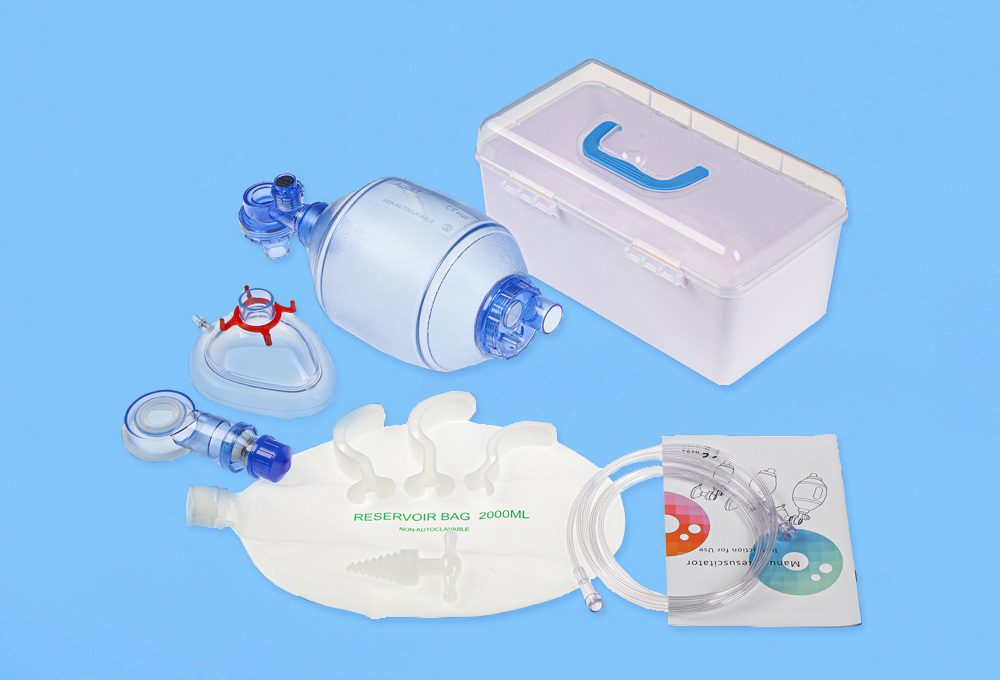
Navigating Supply Chain Challenges for Disposable Respiratory Masks
Introduction to Supply Chain Dynamics in Respiratory Health
The **supply chain** for disposable respiratory masks has witnessed unprecedented challenges, particularly highlighted during global health crises. As the demand for these essential medical supplies skyrockets, understanding the intricacies of this supply chain becomes crucial for healthcare providers, manufacturers, and distributors alike. This article delves into the multifaceted issues affecting the supply chain of disposable respiratory masks, including sourcing, production, logistics, and regulatory hurdles. By adopting strategic measures, stakeholders can mitigate disruptions and ensure a steady supply of these vital resources.
Understanding the Importance of Disposable Respiratory Masks
The Role of Respiratory Masks in Healthcare
Disposable respiratory masks play a critical role in **infection control** and the protection of healthcare professionals and patients. They are essential in various settings, from hospitals to outpatient clinics, particularly during respiratory infection outbreaks. The ability to provide safe and effective respiratory protection is paramount in safeguarding public health.
Challenges in Supply Chain Management
Despite their importance, the supply chain for disposable respiratory masks is fraught with challenges. Fluctuations in demand, raw material shortages, and logistical constraints all contribute to a complex landscape that requires careful navigation.
Key Supply Chain Challenges for Disposable Respiratory Masks
1. Raw Material Shortages
The manufacturing of disposable respiratory masks relies on specific materials, primarily non-woven fabric and melt-blown polypropylene. **Global shortages** of these materials can significantly impact production capabilities. As demand surges, securing a reliable supply of high-quality raw materials becomes increasingly difficult.
2. Production Capacity Constraints
Manufacturers often face limitations in their production capacity, exacerbated by sudden spikes in demand. The need for rapid scaling up of production lines and workforce training can lead to delays and inefficiencies. Balancing quality control while increasing output is a delicate challenge that many manufacturers must navigate.
3. Logistical Issues and Transportation Delays
Transportation disruptions can severely impact the timely delivery of disposable respiratory masks. From port congestion to limited shipping options, logistical hurdles can result in delays that affect the entire supply chain. Ensuring that products reach healthcare facilities when needed requires effective logistical planning and management.
4. Regulatory Compliance and Quality Assurance
Compliance with regulatory standards is paramount in the healthcare industry. Manufacturers of disposable respiratory masks must adhere to stringent regulations set forth by health authorities, which can vary by region. Navigating these regulations while ensuring quality assurance may complicate the supply chain, particularly for companies expanding into new markets.
5. Market Demand Fluctuations
The demand for disposable respiratory masks can fluctuate significantly based on various factors, including seasonal illness outbreaks and government mandates. This unpredictability can create challenges for manufacturers and suppliers, as they must remain agile and responsive to changing market conditions.
Strategies for Overcoming Supply Chain Challenges
1. Diversifying Suppliers
To mitigate risks associated with **raw material shortages**, companies should consider diversifying their supplier base. Establishing relationships with multiple suppliers can reduce dependency on a single source and enhance resilience against supply chain disruptions.
2. Investing in Technology and Automation
Embracing technology and automation in manufacturing processes can significantly improve production efficiency. Implementing advanced manufacturing techniques and data analytics can help optimize operations, reduce waste, and respond more quickly to demand changes.
3. Enhancing Logistical Capabilities
Investing in robust logistics and transportation infrastructure is vital for ensuring timely delivery. Companies should explore partnerships with logistics providers and consider alternatives such as regional distribution centers to minimize transportation delays.
4. Building Strong Relationships with Regulatory Bodies
Establishing proactive communication with regulatory bodies can streamline compliance processes. Engaging with these organizations early in product development can help manufacturers stay informed of changing regulations and ensure adherence to quality standards.
5. Adopting Demand Forecasting Techniques
Utilizing advanced demand forecasting techniques can help companies better predict fluctuations in demand for disposable respiratory masks. By analyzing historical data, market trends, and external factors, manufacturers can optimize production schedules and inventory management.
Case Studies: Successful Adaptation to Supply Chain Disruptions
1. Manufacturer A: Strategic Sourcing
Manufacturer A faced significant disruptions during a global health crisis. By diversifying their supplier network and developing strategic partnerships with alternative raw material providers, they successfully mitigated the impact of shortages. This proactive approach allowed them to maintain consistent production levels and meet rising demand.
2. Manufacturer B: Embracing Technology
Manufacturer B invested in automation and data analytics to enhance their production efficiency. By adopting advanced manufacturing processes, they reduced production times and improved quality control. This innovation positioned them as a leader in the market during a time of heightened demand.
Best Practices for Healthcare Providers
1. Collaborating with Suppliers
Healthcare providers should actively collaborate with suppliers to ensure a steady supply of disposable respiratory masks. Establishing long-term partnerships can facilitate better communication and help address potential supply chain issues before they escalate.
2. Stockpiling Critical Supplies
In anticipation of future disruptions, healthcare facilities should consider stockpiling critical supplies, including disposable respiratory masks. Developing a strategic inventory management plan can help ensure availability during periods of increased demand.
3. Training Staff on Usage Protocols
Proper training for healthcare staff on the correct usage and disposal of respiratory masks is essential. This ensures that masks are used effectively, maximizing their protective benefits.
The Future of Disposable Respiratory Masks Supply Chains
The landscape of disposable respiratory masks supply chains is evolving rapidly. As manufacturers and suppliers adapt to ongoing challenges, several trends are emerging:
1. Increased Focus on Sustainability
There is a growing emphasis on sustainability within the medical supply industry. Manufacturers are exploring environmentally friendly materials and processes, aiming to reduce the ecological footprint of disposable respiratory masks.
2. Advances in Manufacturing Technology
The integration of smart manufacturing and Industry 4.0 technologies is revolutionizing the production of disposable respiratory masks. These innovations enhance efficiency, quality control, and responsiveness to market demands.
3. Resilient Supply Chain Models
Future supply chains will likely prioritize resilience and adaptability. Companies that embrace innovative strategies and technologies will be better equipped to withstand disruptions and meet the demands of the healthcare industry.
FAQs: Addressing Common Concerns
1. What are disposable respiratory masks made of?
Disposable respiratory masks are typically made from non-woven materials, primarily melt-blown polypropylene, which offers effective filtration and breathability.
2. How can manufacturers mitigate raw material shortages?
Manufacturers can mitigate raw material shortages by diversifying their supplier base, establishing strategic partnerships, and exploring alternative materials.
3. What role do regulations play in the supply chain of respiratory masks?
Regulations ensure that disposable respiratory masks meet safety and quality standards. Compliance is essential for manufacturers to gain market approval and maintain consumer trust.
4. How can healthcare providers ensure a steady supply of masks?
Healthcare providers can ensure a steady supply of masks by collaborating with suppliers, stockpiling critical supplies, and maintaining open communication regarding inventory levels.
5. What innovations are shaping the future of disposable respiratory masks?
Innovations such as smart manufacturing technologies, sustainable materials, and enhanced production processes are shaping the future of disposable respiratory masks and their supply chains.
Conclusion
Navigating the supply chain challenges for disposable respiratory masks is crucial for ensuring the availability of this essential medical equipment. By understanding the complexities involved and implementing strategic measures, manufacturers and healthcare providers can work together to create a more resilient supply chain. As the landscape continues to evolve, embracing innovation and collaboration will be key to overcoming challenges and safeguarding public health. Through proactive planning and adaptability, stakeholders can navigate the future of disposable respiratory masks with confidence.

Contact Us
E-mail :
sales@jm-intl.com
Phone/WhatsApp:
+86 15201315855
Address:
Room 7-8, 9-1013, Building 13, Kangsheng Plaza, East of Guangxian Road, Xiazhuzhuang Sub-district, Wuqing District, Tianjin City



Can't find the service you're looking for? Contact us!
To inquire about our products, please leave your email to us and we will contact you within 24 hours.
Add
Room 7-8, 9-1013, Building 13, Kangsheng Plaza, East of Guangxian Road, Xiazhuzhuang Sub-district, Wuqing District, Tianjin City