Tianjin Honray Science and Technology Co., Ltd


Understanding Medical Gas Delivery Systems in Healthcare
Feb 20,2026
Medical gas delivery systems play an indispensable role in healthcare by providing essential gases such as oxygen, nitrous oxide, and medical air to patients for therapeutic, diagnostic, and anesthetic purposes. Understanding the intricacies of these systems is vital for medical professionals involved in patient care and the development of medical materials like catheters and interventional produc
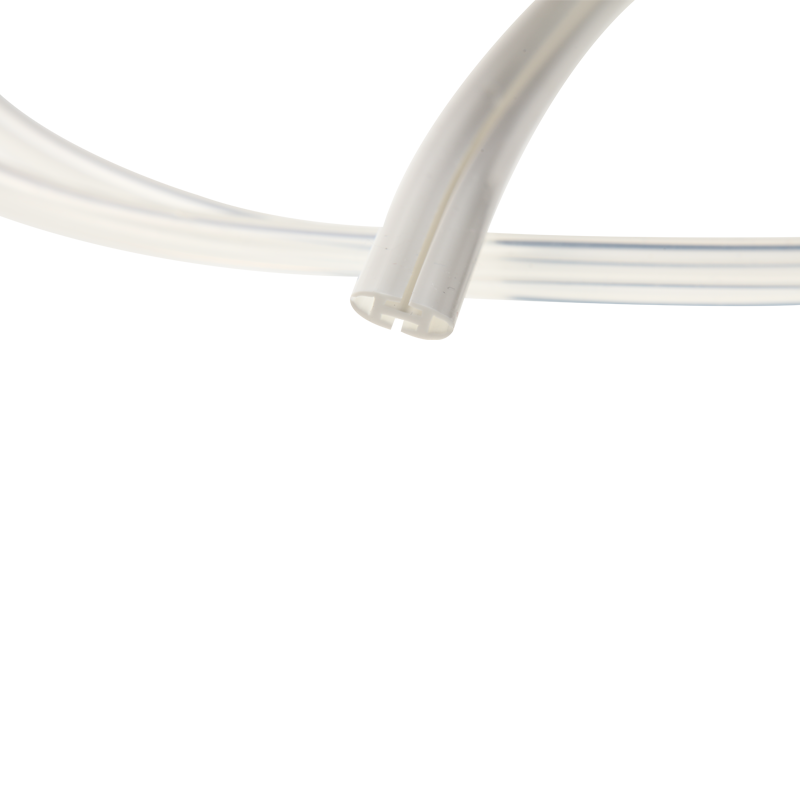
At the core of medical gas delivery systems are the gas sources, which can include large storage tanks, smaller cylinders, or a centralized supply system. Compressed gas cylinders are often used in various settings, while centralized systems are more common in hospitals. These systems are designed to ensure a consistent and reliable flow of medical gases, tailored to the specific requirements of patients.
The delivery of medical gases is facilitated through a network of pipes, regulators, and valves. Regulators control the pressure of the gas to ensure that it is delivered at a safe and effective pressure level for patient use. Valves play a critical role in controlling the flow of gas and can be adjusted to meet individual patient needs. Additionally, safety mechanisms are implemented to prevent leaks and ensure compliance with health regulations.
There are various types of medical gas delivery systems, including portable systems, wall-mounted systems, and more sophisticated centralized systems. Portable systems are often used in emergency situations, allowing healthcare professionals to administer gases quickly and efficiently in transit or in settings without a centralized supply. On the other hand, wall-mounted systems are prevalent in hospital rooms, providing a convenient and accessible source of medical gases right at the patient's bedside.
Proper maintenance and regular inspections of medical gas delivery systems are essential to prevent malfunctions and ensure patient safety. Healthcare facilities should adhere to strict guidelines for the installation and maintenance of these systems, conducted by trained professionals. Regular training sessions for healthcare staff on the operation and emergency procedures related to medical gas systems can significantly enhance safety measures in the facility.
In conclusion, medical gas delivery systems are vital for effective patient care in various healthcare settings. A thorough understanding of the components, types, and operational protocols of these systems is essential for medical professionals working with medical materials and interventional products. By prioritizing safety and proper maintenance, healthcare providers can ensure the reliable delivery of medical gases, ultimately improving patient outcomes and enhancing the quality of care.

Contact Us
E-mail :
sales@jm-intl.com
Phone/WhatsApp:
+86 15201315855
Address:
Room 7-8, 9-1013, Building 13, Kangsheng Plaza, East of Guangxian Road, Xiazhuzhuang Sub-district, Wuqing District, Tianjin City



Can't find the service you're looking for? Contact us!
To inquire about our products, please leave your email to us and we will contact you within 24 hours.
Add
Room 7-8, 9-1013, Building 13, Kangsheng Plaza, East of Guangxian Road, Xiazhuzhuang Sub-district, Wuqing District, Tianjin City