Tianjin Honray Science and Technology Co., Ltd


A Comprehensive Guide to Anesthesia Breathing Circuits for Healthcare Professionals
Feb 10,2026
A Comprehensive Guide to Anesthesia Breathing Circuits for Healthcare Professionals Table of Contents 1. Introduction to Anesthesia Breathing Circuits 2. Types of Anesthesia Breathing Circuits 3. Key Components of Breathing Circuits 4. How Anesthesia Breathing Circuits Function 5. Selecting the Right Breathing Circuit for Different Procedures 6. Best Practices for Using An
A Comprehensive Guide to Anesthesia Breathing Circuits for Healthcare Professionals
Table of Contents
- 1. Introduction to Anesthesia Breathing Circuits
- 2. Types of Anesthesia Breathing Circuits
- 3. Key Components of Breathing Circuits
- 4. How Anesthesia Breathing Circuits Function
- 5. Selecting the Right Breathing Circuit for Different Procedures
- 6. Best Practices for Using Anesthesia Breathing Circuits
- 7. Common Issues and Troubleshooting Anesthesia Breathing Circuits
- 8. The Future of Anesthesia Breathing Circuits
- 9. Frequently Asked Questions (FAQs)
- 10. Conclusion
1. Introduction to Anesthesia Breathing Circuits
Anesthesia breathing circuits serve a vital role in modern medical practice, facilitating the delivery of anesthetic gases and oxygen during surgical procedures. These circuits are designed to ensure that patients receive the optimal concentration of anesthetic agents while allowing for effective ventilation. Understanding the intricacies of these systems is essential for healthcare professionals who wish to enhance patient safety and optimize surgical outcomes.
In this comprehensive guide, we will delve into the various aspects of anesthesia breathing circuits, from their types and components to best practices for use. We aim to equip healthcare professionals with the knowledge necessary to make informed decisions regarding the selection and management of these critical devices.
2. Types of Anesthesia Breathing Circuits
Various types of anesthesia breathing circuits exist, each suitable for different clinical scenarios. Understanding these types is crucial for healthcare professionals as they determine the effectiveness of anesthesia delivery.
2.1. Mapleson Systems
The Mapleson classification system categorizes breathing circuits into several types (A to E), based on their efficiency in delivering anesthetic gases. For instance:
- **Mapleson A**: Offers the best efficiency for spontaneous ventilation.
- **Mapleson D**: Preferred for controlled ventilation due to its low resistance and high compliance.
Choosing the right system based on the patient's needs is essential for optimal anesthesia management.
2.2. Circle Breathing Circuit
The circle breathing circuit employs a closed system, allowing for the rebreathing of exhaled gases. This system minimizes the wastage of anesthetic agents, making it an economical choice for prolonged surgeries. Additionally, the built-in carbon dioxide absorber enhances the safety and efficacy of the anesthetic delivery.
2.3. Bain Circuit
The Bain circuit is a modification of the Mapleson D system, known for its coaxial design. This system allows fresh gas to flow through a narrow limb alongside the corrugated limb, improving efficiency and minimizing the dead space.
3. Key Components of Breathing Circuits
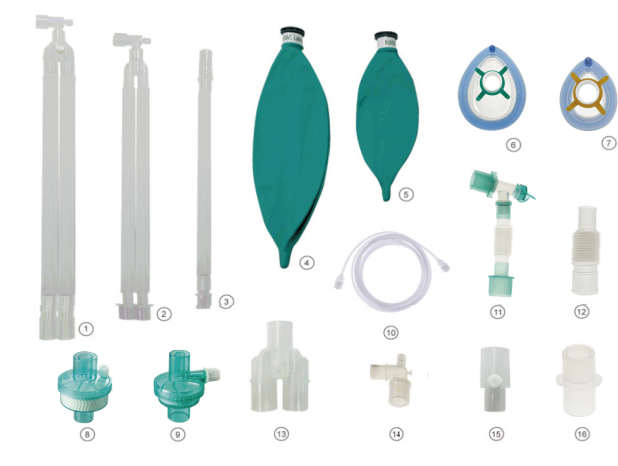
Understanding the various components of anesthesia breathing circuits is essential for effective operation and maintenance. Here are the primary components:
3.1. Endotracheal Tubes
Endotracheal tubes are inserted into the trachea to secure the airway during surgery. They come in various sizes and materials, and selecting the appropriate tube is critical for effective ventilation.
3.2. Y-Connector
The Y-connector is a crucial component that connects the patient's airway to the breathing circuit. This connector allows for the separation and delivery of gases to the patient effectively.
3.3. Reservoir Bag
The reservoir bag serves as a storage unit for fresh gas and allows for manual ventilation. It ensures that adequate oxygen is available during procedures where spontaneous ventilation may not occur.
3.4. Carbon Dioxide Absorber
The carbon dioxide absorber is a crucial element in a closed system. It removes carbon dioxide from exhaled gases, preventing hypercapnia and maintaining the appropriate gas exchange.
4. How Anesthesia Breathing Circuits Function
Anesthesia breathing circuits work by delivering an exact mixture of oxygen and anesthetic agents to the patient. The process involves several steps:
1. **Inhalation**: Anesthetic gases are drawn into the lungs through the breathing circuit when the patient inhales.
2. **Anesthetic Gas Delivery**: The gases are carefully regulated to maintain the desired level of anesthesia.
3. **Exhalation**: Exhaled gases are either vented to the atmosphere or passed through the carbon dioxide absorber for rebreathing, depending on the circuit design.
Understanding this process is crucial for healthcare professionals to ensure that patients receive adequate ventilation and anesthesia levels.
5. Selecting the Right Breathing Circuit for Different Procedures
Choosing the appropriate breathing circuit can significantly impact surgical outcomes. Factors influencing this choice include:
5.1. Patient Condition
Patient factors such as age, weight, and medical history should influence the selection of the breathing circuit. For example, pediatric patients may require specialized circuits designed for their anatomical characteristics.
5.2. Surgical Procedure
Different surgical procedures may necessitate specific breathing circuits. For instance, a procedure requiring extensive ventilation support may be best served by a Circle circuit, while a shorter procedure may utilize a Bain circuit.
5.3. Anesthetic Technique
The type of anesthetic technique employed (e.g., general, regional, or monitored anesthesia care) can dictate the choice of breathing circuit. Understanding these nuances helps healthcare professionals optimize patient outcomes.
6. Best Practices for Using Anesthesia Breathing Circuits
To ensure optimal operation and patient safety, healthcare professionals should adhere to several best practices when utilizing anesthesia breathing circuits:
6.1. Regular Inspection and Maintenance
Conducting routine inspections of circuits and their components is essential to ensure they function correctly. Checking for leaks, ensuring that connections are secure, and replacing worn-out components can prevent complications during procedures.
6.2. Training and Familiarization
Healthcare professionals should undergo extensive training on the various breathing circuits available. Familiarity with their components and functionality is essential for effective operation and patient safety.
6.3. Monitoring Patient Response
Continuous monitoring of the patient’s vital signs during anesthesia is crucial. It allows healthcare professionals to make real-time adjustments to the breathing circuit and anesthesia delivery as needed.
7. Common Issues and Troubleshooting Anesthesia Breathing Circuits
Even with the best practices in place, issues can arise with anesthesia breathing circuits. Being aware of common problems and their solutions is vital for healthcare professionals.
7.1. Circuit Leaks
Leaks can compromise the effectiveness of the anesthesia circuit. Regularly check for leaks before use, and replace any faulty components immediately to maintain patient safety.
7.2. Inadequate Ventilation
Inadequate ventilation can occur due to improper setup or malfunctioning equipment. Health professionals should be trained to identify signs of inadequate ventilation and be prepared to intervene quickly.
7.3. Obstruction
Obstructions can occur in the circuit due to kinks or blockages. Regularly inspect the circuit for potential obstructions and ensure that it remains clear during use.
8. The Future of Anesthesia Breathing Circuits
As technology continues to evolve, so too will anesthesia breathing circuits. Innovations are on the horizon that could enhance their functionality and safety. Anticipated advancements include:
- **Smart Circuits**: Integration of sensors and monitoring systems that provide real-time feedback on gas delivery and patient status.
- **Material Innovations**: Development of new materials that reduce weight and improve patient comfort.
- **Enhanced Rebreathing Systems**: Improved designs that allow for more efficient gas exchange.
These advancements promise to enhance patient safety and improve the overall efficiency of anesthesia delivery.
9. Frequently Asked Questions (FAQs)
9.1. What is an anesthesia breathing circuit?
An anesthesia breathing circuit is a system that delivers anesthetic gases and oxygen to the patient during surgical procedures while allowing for effective ventilation.
9.2. What are the different types of anesthesia breathing circuits?
The main types include Mapleson systems, Circle circuits, and Bain circuits, each designed for specific clinical scenarios.
9.3. How do I ensure the safety of anesthesia breathing circuits?
Regular inspections, proper training, and monitoring during procedures are key aspects of ensuring the safety and effectiveness of anesthesia breathing circuits.
9.4. What should I do if I notice a leak in the circuit?
If a leak is detected, it is crucial to address it immediately by replacing faulty components or reconfiguring the circuit to eliminate the leak.
9.5. Can anesthesia breathing circuits be reused?
Some components can be reused after thorough cleaning and sterilization, while others are designed for single use to prevent contamination.
10. Conclusion
Anesthesia breathing circuits are indispensable tools in the field of medicine, playing a crucial role in patient safety and the delivery of anesthetic agents. By understanding the different types, components, and best practices associated with these circuits, healthcare professionals can significantly enhance their effectiveness and ensure optimal patient outcomes.
As the field continues to evolve, staying informed about advancements in anesthesia technology will be key to maximizing the safety and efficacy of anesthesia breathing circuits in surgical settings. This comprehensive guide serves as a valuable resource for healthcare professionals seeking to deepen their understanding and experience with these essential devices.

Contact Us
E-mail :
sales@jm-intl.com
Phone/WhatsApp:
+86 15201315855
Address:
Room 7-8, 9-1013, Building 13, Kangsheng Plaza, East of Guangxian Road, Xiazhuzhuang Sub-district, Wuqing District, Tianjin City



Can't find the service you're looking for? Contact us!
To inquire about our products, please leave your email to us and we will contact you within 24 hours.
Add
Room 7-8, 9-1013, Building 13, Kangsheng Plaza, East of Guangxian Road, Xiazhuzhuang Sub-district, Wuqing District, Tianjin City