Tianjin Honray Science and Technology Co., Ltd


Understanding Endotracheal Tube Connectors: Essential Components in Medical Devices
Feb 08,2026
Endotracheal tube connectors are critical components in the realm of respiratory therapy and anesthesiology. These connectors serve as the interface between the endotracheal tube and the ventilator or other respiratory equipment, facilitating the delivery of oxygen and anesthetic gases directly to the patient’s lungs. Understanding the various aspects of these connectors is essential for ensuring
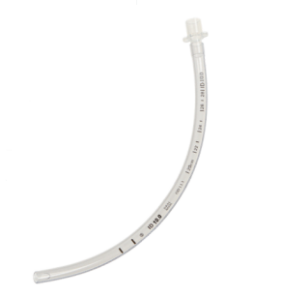
One of the primary types of endotracheal tube connectors is the standard 15mm connector, which is the most commonly used size in clinical settings. This size allows for compatibility with various ventilators and breathing systems. Additionally, there are connectors designed for specific applications, such as those with cuffed tubes or specialized fittings that accommodate different ventilation techniques. Recognizing the different types of connectors and their specific uses can greatly enhance the efficacy of ventilation strategies.
Another critical aspect of endotracheal tube connectors is their material composition. Most connectors are made from medical-grade plastic, which is essential for ensuring biocompatibility and durability. The choice of materials can influence not only the connector's performance but also its ease of use during emergency situations. Therefore, manufacturers must consider factors such as sterility, patient safety, and the ability to withstand various environmental conditions when designing these connectors.
It is also vital to ensure that endotracheal tube connectors are maintained correctly. Regular inspection for any wear or damage is necessary to prevent issues such as leaks or disconnections that could compromise patient ventilation. Additionally, proper cleaning and sterilization procedures must be followed to minimize the risk of infection.
When selecting endotracheal tube connectors, healthcare professionals should consider factors such as compatibility with existing equipment, ease of application under different clinical scenarios, and regulatory compliance. By prioritizing these considerations, practitioners can enhance their overall patient care strategies and contribute to more effective respiratory management.
In conclusion, endotracheal tube connectors are indispensable in the medical field, directly impacting the quality of respiratory care. By understanding their types, materials, and maintenance needs, healthcare professionals can make informed decisions that ultimately lead to improved patient outcomes. Continual advancements in technology will likely yield even more innovative connector designs, further enhancing their role in respiratory therapy.

Contact Us
E-mail :
sales@jm-intl.com
Phone/WhatsApp:
+86 15201315855
Address:
Room 7-8, 9-1013, Building 13, Kangsheng Plaza, East of Guangxian Road, Xiazhuzhuang Sub-district, Wuqing District, Tianjin City



Can't find the service you're looking for? Contact us!
To inquire about our products, please leave your email to us and we will contact you within 24 hours.
Add
Room 7-8, 9-1013, Building 13, Kangsheng Plaza, East of Guangxian Road, Xiazhuzhuang Sub-district, Wuqing District, Tianjin City