Tianjin Honray Science and Technology Co., Ltd


The Essential Guide to Using Nebulizer Kits Effectively: Maximizing Treatment Benefits
Jan 18,2026
The Essential Guide to Using Nebulizer Kits Effectively Table of Contents 1. Introduction to Nebulizer Kits 2. What Is a Nebulizer? 3. Benefits of Using Nebulizer Kits 4. Types of Nebulizers: Choosing the Right One 5. How to Use Nebulizer Kits Effectively 6. Maintaining Your Nebulizer Kit 7. Common Mistakes to Avoid When Using Nebulizers 8. Frequently Asked Questions 9. Conclusion 1. Introductio
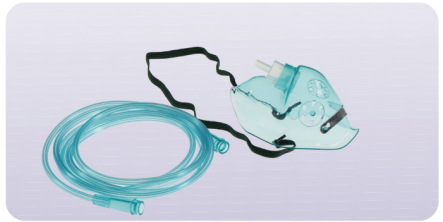
The Essential Guide to Using Nebulizer Kits Effectively
Table of Contents
- 1. Introduction to Nebulizer Kits
- 2. What Is a Nebulizer?
- 3. Benefits of Using Nebulizer Kits
- 4. Types of Nebulizers: Choosing the Right One
- 5. How to Use Nebulizer Kits Effectively
- 6. Maintaining Your Nebulizer Kit
- 7. Common Mistakes to Avoid When Using Nebulizers
- 8. Frequently Asked Questions
- 9. Conclusion
1. Introduction to Nebulizer Kits
In the realm of respiratory health, **nebulizer kits** have emerged as a vital tool for individuals suffering from various pulmonary conditions. These devices transform liquid medication into a fine mist, allowing for effective delivery directly to the lungs. This guide aims to provide comprehensive insights into the effective use of nebulizer kits, ensuring that you maximize their benefits in managing respiratory ailments.
2. What Is a Nebulizer?
A nebulizer is a medical device designed to deliver medication in the form of a mist inhaled into the lungs. This method of medication delivery is particularly beneficial for patients who may have difficulty using inhalers, such as young children or those with severe respiratory distress. Nebulizers can administer various types of medications, including bronchodilators, corticosteroids, and saline solutions.
How Does a Nebulizer Work?
Nebulizers work by using either a compressor or ultrasonic technology to convert liquid medication into aerosolized particles. The **aerosol** is inhaled through a mouthpiece or mask, allowing for deep lung penetration and faster onset of action. This mechanism makes nebulizers an effective option for treating conditions like asthma, chronic obstructive pulmonary disease (COPD), and other respiratory disorders.
3. Benefits of Using Nebulizer Kits
The use of nebulizer kits offers numerous advantages, particularly for patients with chronic respiratory conditions. Understanding these benefits can help you appreciate the significance of effective nebulizer use.
Enhanced Medication Delivery
Nebulizers provide a means for **efficient medication delivery**, ensuring that a higher percentage of the medication reaches the lungs compared to traditional inhalers. This efficiency can enhance treatment efficacy, particularly in severe attacks.
Ease of Use
One of the primary benefits of nebulizer kits is their ease of use. Many patients find it simpler to inhale aerosolized medication over a longer duration, rather than taking several quick puff inhalations with an inhaler.
Versatility
Nebulizers can accommodate a range of medications, making them a versatile option for various respiratory treatments. Whether you need a bronchodilator or a corticosteroid, nebulizers can effectively deliver both.
Suitable for All Ages
From infants to the elderly, nebulizers can be used safely across all age groups. This adaptability is particularly beneficial for children who may struggle with traditional inhalers.
4. Types of Nebulizers: Choosing the Right One
Understanding the different types of nebulizers available is crucial in selecting the right device for your needs.
Compressor Nebulizers
Compressor nebulizers use a compressor to convert liquid medication into mist. They are commonly used in hospitals and homes due to their reliability and effectiveness.
Ultrasonic Nebulizers
Ultrasonic nebulizers utilize high-frequency sound waves to create a fine mist. They are quieter and often smaller than compressor nebulizers, making them more portable.
Mesh Nebulizers
Mesh nebulizers use a vibrating mesh to produce aerosolized medication. They are compact, quiet, and highly efficient, making them ideal for on-the-go use.
5. How to Use Nebulizer Kits Effectively
To achieve the best results from your nebulizer, it is essential to understand the correct usage and steps involved.
Step-by-Step Instructions
1. **Prepare the Nebulizer:** Ensure that all components are clean and assembled correctly.
2. **Add Medication:** Measure the prescribed dosage of medication and pour it into the nebulizer cup.
3. **Attach the Mouthpiece or Mask:** Depending on your comfort, attach the mouthpiece or mask securely.
4. **Turn on the Nebulizer:** Power on the device and ensure that a fine mist is visible.
5. **Inhale the Mist:** Take slow, deep breaths through your mouth (or nose if using a mask) until the medication is fully inhaled, usually taking about 10 to 15 minutes.
6. **Clean the Nebulizer:** After use, clean all components according to the manufacturer’s instructions.
Timing and Frequency
It is important to adhere to your physician's recommendations regarding how often and when to use your nebulizer. Regular usage as prescribed can significantly improve your condition.
6. Maintaining Your Nebulizer Kit
Regular maintenance and cleaning of your nebulizer kit are essential to ensure optimal performance and prevent infections.
Daily Cleaning Routine
After each use, disassemble the nebulizer components and rinse them under warm water. Allow them to air dry completely before reassembling.
Weekly Deep Cleaning
Once a week, perform a deep clean by soaking the components in a solution of mild dish soap and warm water. Rinse thoroughly and air dry.
7. Common Mistakes to Avoid When Using Nebulizers
Understanding common pitfalls can help enhance the effectiveness of your nebulizer treatments.
Using Expired Medications
Always check the expiration date of the medications you use in your nebulizer. Expired medications can be ineffective or even harmful.
Poor Cleaning Habits
Neglecting to clean your nebulizer can lead to bacterial growth and infection. Ensure that you follow a routine cleaning schedule.
Incorrect Dosage
Always follow your physician's prescribed dosages and instructions. Self-adjusting your medication can lead to adverse effects.
8. Frequently Asked Questions
What conditions can nebulizers treat?
Nebulizers are commonly used to treat conditions such as asthma, COPD, and other respiratory infections. They can deliver bronchodilators, corticosteroids, and saline solutions effectively.
How long does a nebulizer treatment last?
Typically, a nebulizer treatment lasts between 10 to 15 minutes, depending on the medication and device used.
Can I use tap water in my nebulizer?
It is advisable to use sterile or distilled water in your nebulizer to prevent the introduction of impurities and bacteria.
Are nebulizers safe for children?
Yes, nebulizers are safe for children and can be an effective method for delivering medications to young patients.
What should I do if my nebulizer is not working?
Check for blockages in the nebulizer, ensure all components are connected correctly, and verify that your medication is not expired. If problems persist, consult your healthcare provider.
9. Conclusion
Using nebulizer kits effectively is essential for managing respiratory conditions and enhancing overall lung health. By understanding how to use, clean, and maintain your nebulizer, you can ensure that you receive the maximum benefits from your treatment. With the right knowledge and practices in place, nebulizers can become a valuable ally in your journey toward better respiratory health.

Contact Us
E-mail :
sales@jm-intl.com
Phone/WhatsApp:
+86 15201315855
Address:
Room 7-8, 9-1013, Building 13, Kangsheng Plaza, East of Guangxian Road, Xiazhuzhuang Sub-district, Wuqing District, Tianjin City



Can't find the service you're looking for? Contact us!
To inquire about our products, please leave your email to us and we will contact you within 24 hours.
Add
Room 7-8, 9-1013, Building 13, Kangsheng Plaza, East of Guangxian Road, Xiazhuzhuang Sub-district, Wuqing District, Tianjin City