Tianjin Honray Science and Technology Co., Ltd


Understanding Anesthesia Breathing Circuits: Essential Insights for Medical Professionals
Jul 01,2026
Anesthesia breathing circuits are essential tools in the field of anesthesiology, facilitating the delivery of anesthetic gases and oxygen to patients undergoing surgical procedures. These circuits ensure a safe and controlled breathing environment, allowing clinicians to manage ventilation effectively and maintain the patient's physiological stability throughout the operation. There are various t
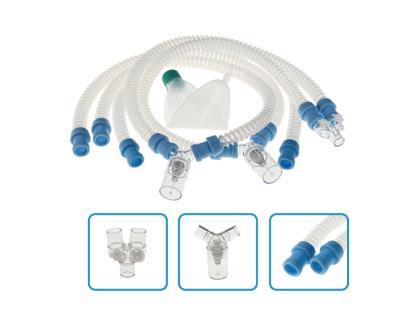
There are various types of anesthesia breathing circuits, each designed for specific clinical situations and patient needs. The most common types include the Mapleson systems (A through E), which differ in their efficiency, ease of use, and adaptability to spontaneous or controlled ventilation. Among these, the Mapleson D system is often preferred for its effectiveness in delivering anesthetic gases during spontaneous ventilation, while the Mapleson A system is known for its efficiency during controlled ventilation.
The primary function of anesthesia breathing circuits is to connect the anesthesia machine to the patient's airway, facilitating the delivery of inhaled anesthetics and oxygen. These circuits are equipped with various components, including the fresh gas flow inlet, corrugated tubing, and a reservoir bag. The reservoir bag plays a critical role in accommodating the patient's respiratory demands and allows for manual ventilation if needed.
Proper maintenance and selection of breathing circuits are crucial in minimizing the risk of complications. Clinicians must consider factors such as the patient's size, the type of surgery, and the duration of anesthesia when choosing the appropriate circuit. Additionally, understanding the impact of circuit design on the efficiency of gas delivery can enhance patient outcomes and optimize anesthesia management.
Safety is paramount in the use of anesthesia breathing circuits. Medical professionals must be trained in their operation and aware of potential issues such as leaks, obstructions, or incorrect connections. Regular inspection and maintenance of the equipment also ensure that it functions correctly when needed, thereby reducing the risk of intraoperative complications.
In conclusion, anesthesia breathing circuits are indispensable in the realm of surgical anesthesia. Their design and function significantly influence the delivery of anesthetic agents and the overall safety of the patient during surgery. By understanding the various types of circuits and their applications, medical professionals can enhance their practice and ensure the highest standards of patient care in the operating room. Recognizing the importance of these components is essential for anyone involved in the field of anesthesiology, as it ultimately contributes to successful surgical outcomes and patient safety.
PREVIOUS:

Contact Us
E-mail :
sales@jm-intl.com
Phone/WhatsApp:
+86 15201315855
Address:
Room 7-8, 9-1013, Building 13, Kangsheng Plaza, East of Guangxian Road, Xiazhuzhuang Sub-district, Wuqing District, Tianjin City



Can't find the service you're looking for? Contact us!
To inquire about our products, please leave your email to us and we will contact you within 24 hours.
Add
Room 7-8, 9-1013, Building 13, Kangsheng Plaza, East of Guangxian Road, Xiazhuzhuang Sub-district, Wuqing District, Tianjin City