Tianjin Honray Science and Technology Co., Ltd


Best Practices for Using Anesthesia Breathing Circuits in the Operating Room
Jun 10,2026
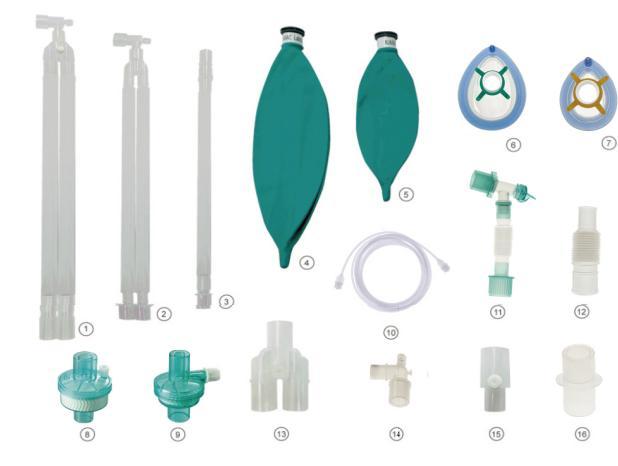
Best Practices for Using Anesthesia Breathing Circuits in the Operating Room Table of Contents 1. Introduction to Anesthesia Breathing Circuits 2. Importance of Proper Use of Breathing Circuits 3. Types of Anesthesia Breathing Circuits 3.1. Circle Systems 3.2. Mapleson Systems 4. Best Practices for Anesthesia Breathing Circuit Management 4.1. Pre-Operative Checks 4.2. Intraoperativ
Best Practices for Using Anesthesia Breathing Circuits in the Operating Room
Table of Contents
1. Introduction to Anesthesia Breathing Circuits
2. Importance of Proper Use of Breathing Circuits
3. Types of Anesthesia Breathing Circuits
3.1. Circle Systems
3.2. Mapleson Systems
4. Best Practices for Anesthesia Breathing Circuit Management
4.1. Pre-Operative Checks
4.2. Intraoperative Monitoring
4.3. Post-Operative Considerations
5. Common Mistakes to Avoid
6. Innovations in Anesthesia Breathing Circuit Technology
7. FAQs About Anesthesia Breathing Circuits
8. Conclusion
1. Introduction to Anesthesia Breathing Circuits
In the operating room, **anesthesia breathing circuits** play a crucial role in ensuring that patients receive the anesthetic gases necessary for safe and effective surgery. These systems facilitate the delivery of anesthetic agents and oxygen, while also allowing for the removal of carbon dioxide. Understanding the components and functionality of these circuits is essential for anesthesia providers to ensure optimal patient outcomes.
2. Importance of Proper Use of Breathing Circuits
The effective management of breathing circuits is vital for several reasons. First and foremost, patient safety hinges on proper function and maintenance of these systems. Any malfunction or mismanagement can lead to inadequate ventilation and serious complications. Furthermore, efficient use of breathing circuits can enhance recovery times, reduce the risk of pulmonary complications, and improve overall surgical outcomes.
3. Types of Anesthesia Breathing Circuits
Anesthesia breathing circuits come in various configurations, each with distinct advantages and disadvantages. Familiarity with these types is essential for anesthesia providers.
3.1. Circle Systems
**Circle systems** are closed systems that allow for the rebreathing of exhaled gases. They are designed to minimize waste of anesthetic agents and are characterized by their low resistance and ability to maintain stable concentrations of inhaled agents. These systems are highly efficient and are often the preferred choice in modern anesthesia practice.
3.2. Mapleson Systems
**Mapleson systems** are classified into several types (A through E) based on their efficiency and ease of use during spontaneous and controlled ventilation. Each type has its own set of advantages depending on the clinical scenario, making it imperative for practitioners to choose the appropriate system based on the specific needs of the procedure and patient.
4. Best Practices for Anesthesia Breathing Circuit Management
Implementing best practices in managing anesthesia breathing circuits is essential for maximizing patient safety and enhancing the efficiency of surgical procedures.
4.1. Pre-Operative Checks
Before any surgical procedure, comprehensive **pre-operative checks** of the breathing circuit must be conducted. This includes:
- Inspecting all components for integrity, including hoses, connectors, and filters.
- Verifying the functionality of the ventilator and ensuring that all alarms are operational.
- Confirming that the correct settings are in place for the patient’s anticipated needs, including tidal volume and respiratory rate.
- Ensuring that all necessary supplies, such as additional circuits and adapters, are readily accessible.
4.2. Intraoperative Monitoring
During surgery, continuous **intraoperative monitoring** is essential. This involves:
- Regularly checking the patient’s vital signs to ensure adequate ventilation and oxygenation.
- Monitoring the breathing circuit for any signs of disconnections or obstruction.
- Keeping an eye on the anesthetic agent concentrations to avoid overdose or underdose.
- Adjusting ventilatory settings based on real-time feedback from the patient’s physiological responses.
4.3. Post-Operative Considerations
Post-operative care is equally important. After the procedure, ensure:
- The breathing circuit is properly cleaned and sterilized as per hospital protocols.
- Any disposable components are disposed of according to environmental and safety regulations.
- Follow-up assessments of the patient’s respiratory status to detect any potential complications early.
5. Common Mistakes to Avoid
Awareness of common **mistakes** can vastly improve the management of anesthesia breathing circuits. Some common pitfalls include:
- Failing to perform thorough pre-operative checks, leading to unexpected circuit failures.
- Incorrectly setting ventilator parameters, which can compromise patient safety.
- Neglecting to monitor circuit integrity during surgery, resulting in patient distress or harm.
- Improper cleaning and maintenance, which can lead to cross-contamination and infection.
6. Innovations in Anesthesia Breathing Circuit Technology
The field of anesthesia technology is continually evolving. Recent innovations include:
- **Smart breathing circuits** equipped with sensors that provide real-time data on gas exchange and circuit integrity.
- Advanced filtration systems that reduce the risk of infection by eliminating airborne pathogens.
- Integration of **digital monitoring systems** that allow anesthetists to track multiple parameters simultaneously, enhancing decision-making in critical moments.
7. FAQs About Anesthesia Breathing Circuits
**Q1: What is the purpose of an anesthesia breathing circuit?**
A: The primary purpose is to deliver oxygen and anesthetic gases to the patient while removing carbon dioxide.
**Q2: How often should anesthesia breathing circuits be checked?**
A: They should be inspected before each surgical procedure and monitored continuously during surgery.
**Q3: What are the risks associated with improper use of breathing circuits?**
A: Risks include inadequate ventilation, hypoxia, and potential complications arising from equipment failure.
**Q4: Are there specific protocols for cleaning anesthesia breathing circuits?**
A: Yes, protocols vary by facility but generally include thorough cleaning with approved disinfectants and proper disposal of single-use components.
**Q5: How can technology improve the management of anesthesia breathing circuits?**
A: Technology can provide real-time monitoring, enhance safety through smart systems, and facilitate data collection for better patient care.
8. Conclusion
In conclusion, adhering to **best practices** for using anesthesia breathing circuits in the operating room is paramount for ensuring patient safety and achieving optimal surgical outcomes. By understanding the various types of circuits, conducting meticulous pre-operative checks, maintaining vigilant intraoperative monitoring, and avoiding common mistakes, anesthesia providers can enhance the overall efficiency of surgical procedures. As technology continues to advance, integrating innovative tools and practices will further improve our ability to deliver high-quality patient care in the operating room.

Contact Us
E-mail :
sales@jm-intl.com
Phone/WhatsApp:
+86 15201315855
Address:
Room 7-8, 9-1013, Building 13, Kangsheng Plaza, East of Guangxian Road, Xiazhuzhuang Sub-district, Wuqing District, Tianjin City



Can't find the service you're looking for? Contact us!
To inquire about our products, please leave your email to us and we will contact you within 24 hours.
Add
Room 7-8, 9-1013, Building 13, Kangsheng Plaza, East of Guangxian Road, Xiazhuzhuang Sub-district, Wuqing District, Tianjin City