Tianjin Honray Science and Technology Co., Ltd


Caring for Your Nebulizer Kit: Essential Maintenance Tips for Longevity
May 13,2026
Caring for Your Nebulizer Kit: Essential Maintenance Tips for Longevity Nebulizers play a crucial role in the treatment of respiratory conditions, offering a lifeline for those who rely on them for effective medication delivery. However, like any medical device, proper maintenance is essential to ensure their longevity and functionality. In this comprehensive guide, we will explore essential maint
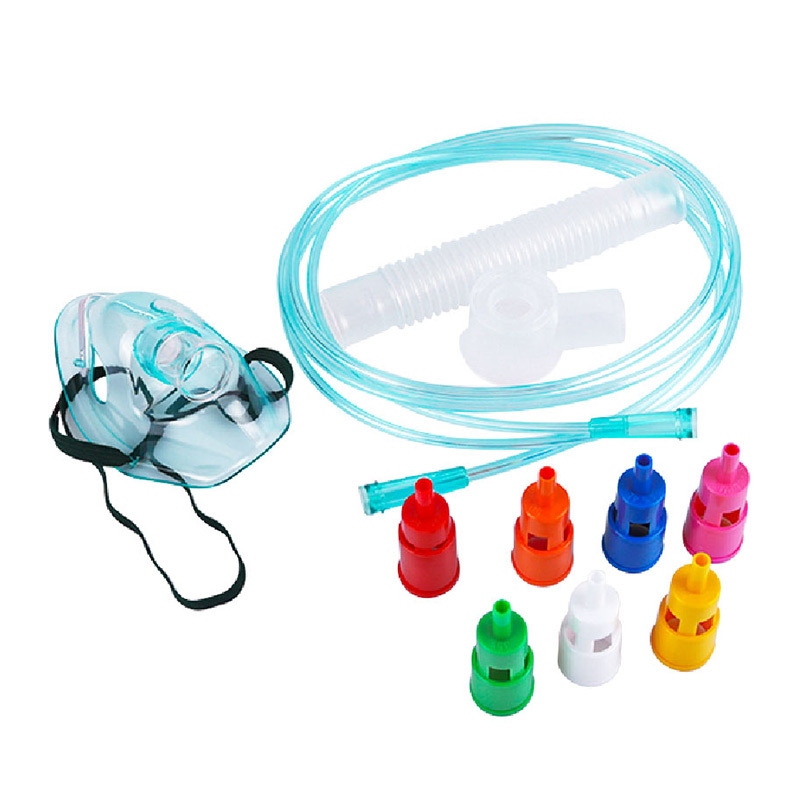
Caring for Your Nebulizer Kit: Essential Maintenance Tips for Longevity
Nebulizers play a crucial role in the treatment of respiratory conditions, offering a lifeline for those who rely on them for effective medication delivery. However, like any medical device, proper maintenance is essential to ensure their longevity and functionality. In this comprehensive guide, we will explore essential maintenance tips for caring for your nebulizer kit, ensuring you receive the best care possible.
Table of Contents
- What is a Nebulizer?
- Importance of Nebulizer Maintenance
- Daily Care Tips for Your Nebulizer
- Weekly and Monthly Maintenance
- Storing Your Nebulizer Properly
- Troubleshooting Common Nebulizer Issues
- When to Replace Your Nebulizer
- Frequently Asked Questions
- Conclusion
What is a Nebulizer?
A nebulizer is a medical device that converts liquid medication into a mist, making it easier for patients to inhale. This mist is particularly beneficial for individuals with asthma, chronic obstructive pulmonary disease (COPD), or other respiratory ailments. The nebulizer allows for a more efficient delivery of medication directly to the lungs, which can help alleviate symptoms and improve overall lung function. Understanding the function and importance of your nebulizer is the first step in ensuring its longevity.
Importance of Nebulizer Maintenance
Maintaining your nebulizer is crucial for several reasons:
- Effectiveness: Clean nebulizers deliver medication more efficiently.
- Durability: Regular maintenance can extend the lifespan of your device.
- Health Safety: A well-maintained nebulizer reduces the risk of bacterial contamination.
By understanding the importance of consistent care, you will be better equipped to ensure your nebulizer remains in optimal condition, providing the best possible treatment.
Daily Care Tips for Your Nebulizer
Daily care is essential for maintaining your nebulizer. Here are some practical tips:
1. Clean After Each Use
After every session, it’s essential to clean your nebulizer to prevent medication buildup and contamination. Disassemble the nebulizer kit, including the medication cup and mouthpiece, and rinse each part under warm running water. Make sure to follow the cleaning instructions provided by your manufacturer for the best results.
2. Dry Thoroughly
After rinsing, allow all parts to air dry completely. Using a clean towel can introduce bacteria, so air drying is the safest option. Ensure all components are free from moisture before reassembling.
3. Use Distilled Water
If your nebulizer requires water to function, always use distilled water. Tap water can contain minerals and impurities that may harm your device or affect the quality of the mist.
4. Check for Blockages
During your daily maintenance, inspect the nebulizer for any blockages in the tubing or medication cup. Clearing any obstructions ensures that the device operates efficiently.
Weekly and Monthly Maintenance
Alongside daily care, implementing a weekly and monthly maintenance routine is vital for ensuring the longevity of your nebulizer.
1. Deep Clean Weekly
Each week, perform a more thorough cleaning of your nebulizer parts. Soak the medication cup, mouthpiece, and tubing in a solution of equal parts white vinegar and water for about 30 minutes. After soaking, rinse with warm water and allow to air dry.
2. Replace Filters as Needed
Check the filters of your nebulizer regularly. Depending on usage, these may need replacing every few weeks. Always refer to the manufacturer's guidelines for specific recommendations regarding filter replacement.
3. Inspect Electrical Components Monthly
For electric nebulizers, inspect the power cord and plug for any signs of wear or damage. Any frayed wires or damaged plugs should be replaced immediately to ensure safe operation.
Storing Your Nebulizer Properly
Proper storage plays a crucial role in maintaining your nebulizer's lifespan and functionality. Here are some tips for effective storage:
1. Keep in a Clean, Dry Place
Store your nebulizer in a clean, dry environment to prevent dust accumulation and moisture buildup. A carrying case designed for nebulizers can provide added protection.
2. Avoid Extreme Temperatures
Extreme heat or cold can damage the nebulizer components. Ensure that the storage location maintains a consistent, moderate temperature.
3. Keep Out of Reach of Children
For safety reasons, always store your nebulizer out of reach of children. This will prevent accidents and ensure the device is used correctly and safely.
Troubleshooting Common Nebulizer Issues
Even with proper care, you may encounter some common issues with your nebulizer. Here are some troubleshooting tips:
1. Reduced Mist Production
If you notice less mist being produced, ensure that the medication cup is assembled correctly and that there are no blockages. Check the power supply and make sure the nebulizer is functioning properly.
2. Unusual Noises
Unusual sounds may indicate a mechanical problem, such as a loose connection or a failing motor. Disconnect the device and inspect all components for any visible issues.
3. Medication Leaking
If medication is leaking from the nebulizer, ensure that all parts are tightly secured and not damaged. Replace any worn or broken components immediately.
When to Replace Your Nebulizer
Understanding when to replace your nebulizer is essential for continued effective treatment. Here are some indicators:
1. Age of the Device
Most nebulizers have a lifespan of 3-5 years. If your device is approaching this age, consider replacing it, even if it seems to be functioning well.
2. Frequent Breakdowns
If you find yourself frequently repairing or troubleshooting your nebulizer, it may be more cost-effective to invest in a new device.
3. Poor Performance
Any decrease in efficiency, such as reduced mist production despite proper maintenance, can indicate that it’s time for a replacement.
Frequently Asked Questions
1. How often should I clean my nebulizer?
You should clean your nebulizer after each use, with a thorough cleaning weekly.
2. Can I use tap water in my nebulizer?
No, always use distilled water to prevent mineral buildup and contamination.
3. What should I do if my nebulizer stops working?
Check the power supply and inspect for any blockages. If problems persist, consult your healthcare provider or consider replacement.
4. How long does a nebulizer last?
With proper maintenance, nebulizers typically last 3-5 years.
5. Is it necessary to replace the filters in my nebulizer?
Yes, replacing filters as recommended by the manufacturer helps maintain optimal performance.
Conclusion
Caring for your nebulizer kit is vital for ensuring its longevity and effectiveness in delivering medication. By implementing daily, weekly, and monthly maintenance routines, you can maximize the lifespan of your device while ensuring your health remains a priority. Regular cleaning, proper storage, and timely replacement of components will help you get the most out of your nebulizer. With these tips in mind, you can navigate your nebulizer care with confidence, ensuring it serves as a reliable tool in managing your respiratory health.
PREVIOUS:

Contact Us
E-mail :
sales@jm-intl.com
Phone/WhatsApp:
+86 15201315855
Address:
Room 7-8, 9-1013, Building 13, Kangsheng Plaza, East of Guangxian Road, Xiazhuzhuang Sub-district, Wuqing District, Tianjin City



Can't find the service you're looking for? Contact us!
To inquire about our products, please leave your email to us and we will contact you within 24 hours.
Add
Room 7-8, 9-1013, Building 13, Kangsheng Plaza, East of Guangxian Road, Xiazhuzhuang Sub-district, Wuqing District, Tianjin City