Tianjin Honray Science and Technology Co., Ltd


Understanding Anesthesia Breathing Circuits: Essential Components for Safe Surgical Procedures
Apr 21,2026
Anesthesia breathing circuits are vital components of anesthesia delivery systems, designed to transport inhaled anesthetics and oxygen to patients while allowing for the expulsion of exhaled gases. Understanding these circuits is essential for anyone involved in surgical procedures, as they directly impact patient safety and comfort. There are several types of anesthesia breathing circuits, each
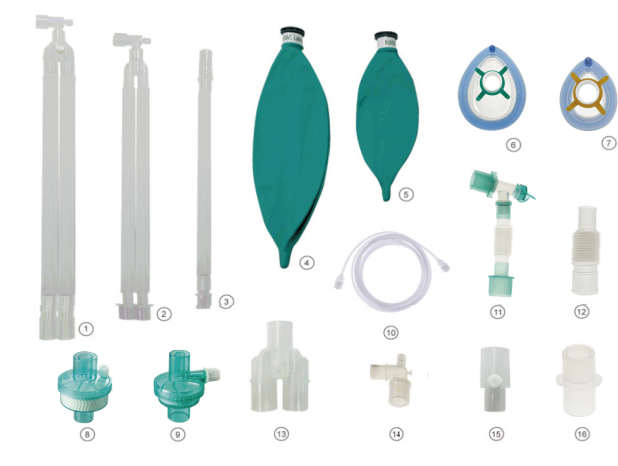
There are several types of anesthesia breathing circuits, each with specific functions and advantages. The most commonly used are the Mapleson systems, which are classified into several types (A through E) based on their efficiency in delivering oxygen and anesthetic gases. Among these, Mapleson D is often favored for its balance between efficiency and ease of use, particularly in the case of spontaneous ventilation.
Components of an anesthesia breathing circuit typically include a fresh gas flow inlet, a reservoir bag, a unidirectional valve, and an endotracheal or supraglottic airway device. The fresh gas flow inlet allows for the introduction of anesthetic gases, while the reservoir bag provides a means for manual ventilation if needed. Unidirectional valves ensure that gases move in one direction – from the patient to the machine and back – preventing rebreathing of exhaled carbon dioxide.
The choice of breathing circuit can significantly influence the efficiency of gas delivery and patient recovery. For example, a closed circuit system can conserve anesthetic gases and lower environmental impact, while a semi-closed system allows for more flexibility and easier management of ventilation. Each system has its advantages, and the choice often depends on the specific surgical context and the patient's needs.
In addition to understanding the types of circuits, it is also essential to recognize the importance of proper maintenance and sterilization of these devices. Contaminated breathing circuits can pose serious risks, including infections or complications during anesthesia. Thus, healthcare professionals must adhere to strict protocols to ensure that all equipment is clean and functioning correctly.
Furthermore, advancements in technology have led to the development of disposable breathing circuits, which offer a convenient and hygienic option for anesthetic delivery. These circuits minimize the risk of cross-contamination between patients and simplify the cleaning process.
In conclusion, anesthesia breathing circuits are a fundamental aspect of safe and effective anesthesia practice. By understanding their types, components, and proper usage, healthcare providers can enhance patient safety and improve surgical outcomes. As the field of anesthesia continues to evolve, staying informed about these critical components remains essential for ensuring the best possible care for patients undergoing surgery.

Contact Us
E-mail :
sales@jm-intl.com
Phone/WhatsApp:
+86 15201315855
Address:
Room 7-8, 9-1013, Building 13, Kangsheng Plaza, East of Guangxian Road, Xiazhuzhuang Sub-district, Wuqing District, Tianjin City



Can't find the service you're looking for? Contact us!
To inquire about our products, please leave your email to us and we will contact you within 24 hours.
Add
Room 7-8, 9-1013, Building 13, Kangsheng Plaza, East of Guangxian Road, Xiazhuzhuang Sub-district, Wuqing District, Tianjin City