Tianjin Honray Science and Technology Co., Ltd


5 Common Myths About Nebulizer Kits Debunked: Your Essential Guide to Understanding Nebulizers
Mar 14,2026
5 Common Myths About Nebulizer Kits Debunked: Your Essential Guide to Understanding Nebulizers Nebulizer kits have long been a vital part of respiratory therapy for individuals suffering from various breathing disorders. However, despite their widespread use, numerous myths persist about their functionality and effectiveness. In this article, we will debunk five prevalent myths related to nebulize
5 Common Myths About Nebulizer Kits Debunked: Your Essential Guide to Understanding Nebulizers
Nebulizer kits have long been a vital part of respiratory therapy for individuals suffering from various breathing disorders. However, despite their widespread use, numerous myths persist about their functionality and effectiveness. In this article, we will debunk five prevalent myths related to nebulizer kits, providing you with factual information to enhance your understanding of these essential medical devices.
Table of Contents
- Myth 1: Nebulizers are Only for Severe Asthma Attacks
- Myth 2: All Nebulizers Are the Same
- Myth 3: Nebulizers Are Difficult to Use
- Myth 4: Nebulizers Are Ineffective Compared to Inhalers
- Myth 5: Nebulizer Treatment Takes Too Long
- How Nebulizers Work: A Closer Look
- The Benefits of Using Nebulizer Kits
- Conclusion: Clearing the Air on Nebulizer Myths
- Frequently Asked Questions About Nebulizer Kits
Myth 1: Nebulizers are Only for Severe Asthma Attacks
One of the most common misconceptions about nebulizers is that they are reserved exclusively for severe asthma attacks. This myth arises from a misunderstanding of how nebulizers function and their intended use. In reality, nebulizers can provide effective relief for individuals with chronic respiratory conditions, including asthma, chronic obstructive pulmonary disease (COPD), and cystic fibrosis.
Nebulizers deliver medication directly to the lungs, making them beneficial not just during acute episodes, but also for ongoing management of respiratory issues. In fact, many healthcare providers recommend nebulizers as part of a comprehensive treatment plan to help patients maintain control over their symptoms and improve overall lung function.
Myth 2: All Nebulizers Are the Same
Another common myth is that all nebulizers function in the same manner. This is far from the truth. Nebulizers come in various types, including jet nebulizers, ultrasonic nebulizers, and mesh nebulizers, each with unique functionalities and advantages.
Jet nebulizers use compressed air to create a mist from liquid medication, while ultrasonic nebulizers utilize high-frequency vibrations to generate aerosolized particles. Mesh nebulizers employ a vibrating mesh to produce fine droplets of medication. Depending on the patient's condition, lifestyle, and preference, one type of nebulizer may be more suitable than another. It's essential to consult a healthcare professional to determine the best choice for individual needs.
Myth 3: Nebulizers Are Difficult to Use
The belief that nebulizers are complicated or difficult to operate is another prevalent myth. In reality, most modern nebulizers are designed with user-friendliness in mind. Many models feature simple instructions, making it easy for patients to administer their treatments without the need for extensive training.
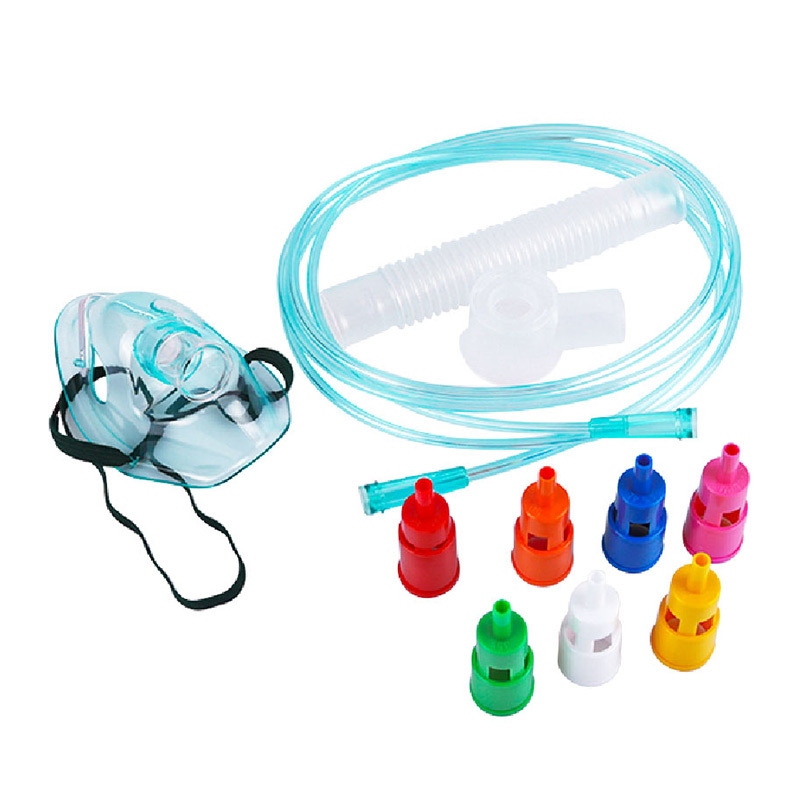
A typical nebulizer kit includes the nebulizer machine, tubing, a medication cup, and a mouthpiece or mask. Patients simply need to fill the medication cup with the prescribed solution, connect the components, and turn on the machine. For those who may have difficulty using a mouthpiece, masks are available to facilitate easier delivery of medication. Additionally, many nebulizers offer portable options, making them ideal for on-the-go use.
Myth 4: Nebulizers Are Ineffective Compared to Inhalers
Some individuals believe that nebulizers are less effective than inhalers when it comes to delivering medication for respiratory conditions. However, this perception is misleading. Both nebulizers and inhalers are designed to administer medication, but they do so in different ways.
Inhalers deliver a measured dose of medication directly into the lungs through a spray or aerosol. They work best for individuals who can properly coordinate their breathing with the actuation of the inhaler. On the other hand, nebulizers provide a continuous mist of medication, allowing patients to breathe normally throughout the treatment. This can be especially beneficial for young children or individuals who may struggle with inhaler techniques. Ultimately, the choice between a nebulizer and an inhaler depends on the patient's specific needs and circumstances.
Myth 5: Nebulizer Treatment Takes Too Long
Many people think that using a nebulizer requires an excessive amount of time, which can deter them from pursuing this treatment option. While it's true that nebulizer treatments may take longer than using an inhaler, the duration varies widely based on the specific device and medication used.
Typically, a standard nebulizer treatment lasts between 10 to 20 minutes. For many patients, this investment in time is worthwhile, given the effectiveness of the treatment. Furthermore, patients can multitask during treatment, allowing them to engage in other activities such as reading, watching TV, or working on a computer. Ultimately, the benefits of nebulizer therapy often outweigh the time commitment involved.
How Nebulizers Work: A Closer Look
Understanding how nebulizers operate can further dispel common myths. Nebulizers convert liquid medication into aerosolized particles that can be inhaled directly into the lungs. This process of nebulization ensures that medication reaches the affected areas more effectively than oral administration or other delivery methods.
When a nebulizer is turned on, air or ultrasonic vibrations create a fine mist of medication. Patients inhale this mist through a mouthpiece or mask, allowing the medication to penetrate deep into the airways. This delivery method is particularly advantageous for patients with conditions that cause inflammation or mucus production in the lungs, as it allows for targeted treatment with minimal systemic absorption.
The Benefits of Using Nebulizer Kits
Utilizing nebulizer kits comes with several benefits, making them an integral part of respiratory care. Some of the key advantages include:
1. Effective Medication Delivery
Nebulizers provide targeted delivery of medication, ensuring that it reaches the lungs efficiently. This is particularly important for individuals with severe respiratory conditions who require high doses of medication.
2. Ease of Use
As previously mentioned, nebulizers are designed to be user-friendly. Patients can easily operate them without the need for specialized training, making them accessible to a wide range of users.
3. Comfort for Patients
For many patients, especially young children and the elderly, nebulizers offer a more comfortable and less invasive way to receive medication compared to inhalers. The continuous mist allows for more relaxed breathing, alleviating anxiety during treatment.
4. Versatility in Treatment Options
Nebulizers can deliver a variety of medications, including bronchodilators, corticosteroids, and antibiotics. This versatility makes them suitable for individuals with multiple respiratory issues.
5. Portability
Many modern nebulizers are designed to be portable and lightweight, allowing patients to carry them easily for use at home or while traveling.
Conclusion: Clearing the Air on Nebulizer Myths
As we have explored, nebulizer kits play a significant role in the management of various respiratory conditions. By debunking common myths surrounding these devices, we can help patients and caregivers make informed decisions about their respiratory health. Understanding the true functionality and benefits of nebulizers empowers individuals to take charge of their treatment and improve their quality of life.
Frequently Asked Questions About Nebulizer Kits
1. Can nebulizers be used for children?
Yes, nebulizers are safe and effective for children. Many pediatricians recommend nebulizer therapy for young patients with respiratory issues, as the mist is easier for them to inhale compared to inhalers.
2. How often should I use my nebulizer?
The frequency of nebulizer use depends on your healthcare provider's recommendations and your specific condition. It is essential to follow their advice regarding treatment schedules.
3. How do I clean my nebulizer?
Proper cleaning is crucial for maintaining nebulizer effectiveness. Typically, you should wash the medication cup, mouthpiece, and tubing after each use with warm soapy water. Rinse thoroughly and allow them to air dry.
4. Are there side effects associated with nebulizer use?
While nebulizers are generally safe, some patients may experience side effects related to the medication used, such as increased heart rate, jitteriness, or throat irritation. It is vital to consult with your healthcare provider if you experience any adverse effects.
5. Can I use my nebulizer while traveling?
Yes, many nebulizers are portable and can be used while traveling. It's advisable to check the power requirements and carry enough medication for your trip.

Contact Us
E-mail :
sales@jm-intl.com
Phone/WhatsApp:
+86 15201315855
Address:
Room 7-8, 9-1013, Building 13, Kangsheng Plaza, East of Guangxian Road, Xiazhuzhuang Sub-district, Wuqing District, Tianjin City



Can't find the service you're looking for? Contact us!
To inquire about our products, please leave your email to us and we will contact you within 24 hours.
Add
Room 7-8, 9-1013, Building 13, Kangsheng Plaza, East of Guangxian Road, Xiazhuzhuang Sub-district, Wuqing District, Tianjin City