Tianjin Honray Science and Technology Co., Ltd


Understanding Anesthesia Breathing Circuits: Essential Insights for Medical Professionals
Jan 31,2026
Anesthesia breathing circuits are critical components in the administration of anesthesia, serving as the pathway for delivering anesthetic gases and oxygen to patients during surgical procedures. Understanding the different types of breathing circuits, their components, and their importance can significantly enhance patient safety and surgical outcomes. Breathing circuits are designed to connect
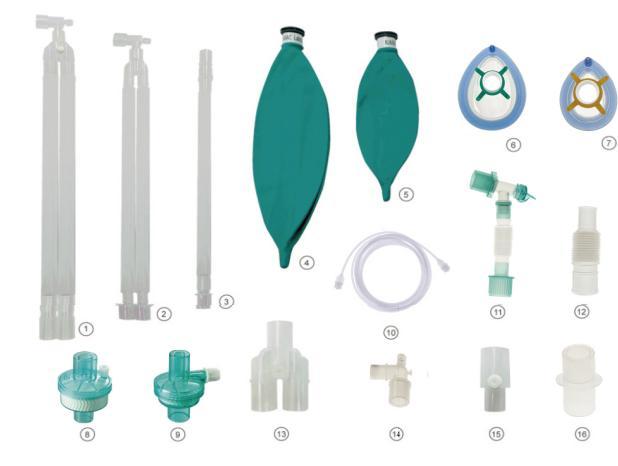
Breathing circuits are designed to connect the anesthesia machine to the patient’s airway. They can be categorized into two main types: closed systems and semi-closed systems. Closed systems use a rebreathing mechanism, allowing for the recycling of exhaled gases, while semi-closed systems permit a certain amount of fresh gas flow alongside rebreathing. The choice of the circuit often depends on the specific surgical context and the anesthetic technique employed.
Key components of anesthesia breathing circuits include the corrugated tubing, which provides flexibility and reduces resistance; the Y-piece, which connects to the patient's airway; and the gas delivery ports, which allow for the introduction of anesthetic agents. Additionally, many circuits are equipped with a unidirectional valve to ensure that exhaled gases do not mix with fresh gases, enhancing the efficiency of gas delivery.
Effective use of anesthesia breathing circuits requires an understanding of several critical factors. The size and type of the circuit must be appropriate for the patient’s age, size, and medical condition. For instance, pediatric patients often require smaller circuits to ensure adequate ventilation. Furthermore, attention must be paid to the maintenance and sterilization of the circuits to prevent infection and complications.
Another important consideration is the monitoring of gas exchange during anesthesia. Medical professionals should be equipped to recognize signs of hypoventilation or hyperventilation, adjusting the flow of gases as necessary to maintain optimal respiratory function. Regular checks of the breathing circuit for leaks or obstructions are also crucial, as even minor issues can lead to significant complications during surgery.
In summary, anesthesia breathing circuits play a vital role in the delivery of safe and effective anesthesia. By understanding their design, function, and best practices for use, medical professionals can enhance patient care and contribute to successful surgical outcomes. Continuous education and awareness of advancements in anesthesia technology related to breathing circuits will further empower healthcare teams in their practice.

Contact Us
E-mail :
sales@jm-intl.com
Phone/WhatsApp:
+86 15201315855
Address:
Room 7-8, 9-1013, Building 13, Kangsheng Plaza, East of Guangxian Road, Xiazhuzhuang Sub-district, Wuqing District, Tianjin City



Can't find the service you're looking for? Contact us!
To inquire about our products, please leave your email to us and we will contact you within 24 hours.
Add
Room 7-8, 9-1013, Building 13, Kangsheng Plaza, East of Guangxian Road, Xiazhuzhuang Sub-district, Wuqing District, Tianjin City