Tianjin Honray Science and Technology Co., Ltd


Understanding Medical Gas Delivery Systems: Essentials for Healthcare Professionals
Aug 25,2025
Medical gas delivery systems are essential in healthcare settings, facilitating the safe and effective administration of various gases critical for patient care. These systems primarily deliver medical gases such as oxygen, nitrous oxide, and medical air, which are indispensable in procedures ranging from anesthesia to respiratory therapy. Understanding how these systems function is crucial for he
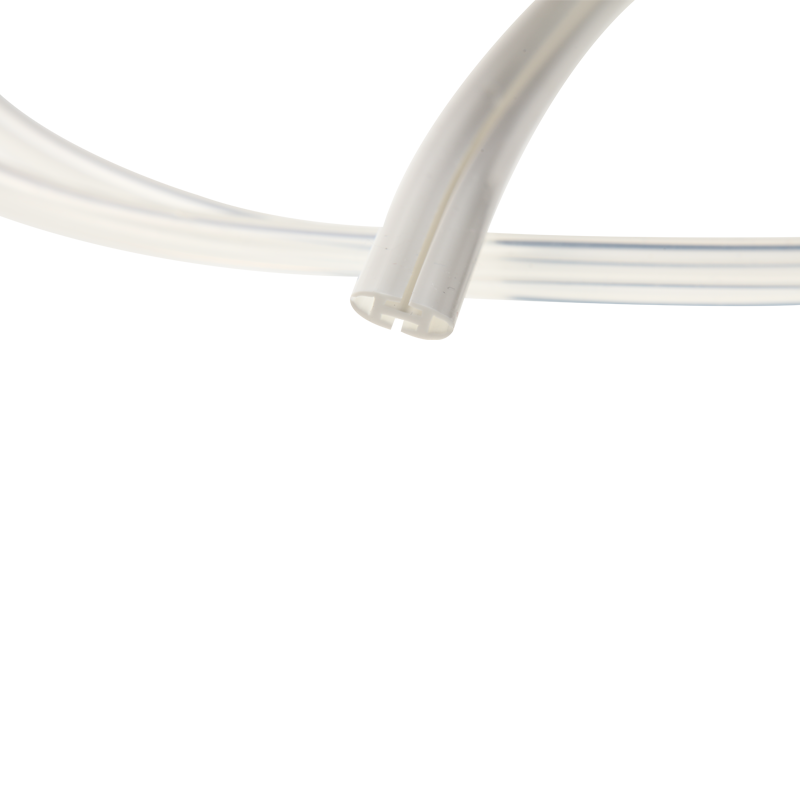
At the core of medical gas delivery systems are several key components: gas sources, pipelines, regulators, and delivery devices. Gas sources typically include high-pressure cylinders or bulk storage tanks that supply the necessary gases. The gases are then transported through a network of pipelines, designed to ensure a continuous and reliable flow. Regulators play a pivotal role in controlling gas pressure, ensuring that the delivery is safe and effective for patient use.
In addition to these components, delivery devices, such as oxygen masks, nasal cannulas, and ventilators, are crucial for administering the gases directly to patients. Each device is tailored to specific needs, making it important for healthcare providers to understand the optimal usage for each situation. For instance, high-flow nasal cannulas provide an effective delivery method for patients requiring significant oxygen support, while simple face masks may be used for less critical cases.
Safety considerations are paramount when working with medical gas delivery systems. Proper training and adherence to protocols are essential to prevent accidents and ensure patient safety. Regular maintenance and inspections of the gas delivery systems help in identifying potential issues before they escalate, ensuring uninterrupted service. Healthcare facilities must also comply with regulatory standards to maintain a safe environment for patients and healthcare staff alike.
Furthermore, it is essential to recognize that different gases serve unique purposes in patient care. Oxygen, for example, is vital for patients experiencing respiratory distress, while nitrous oxide is commonly utilized for its analgesic and anesthetic properties during medical procedures. Understanding the specific applications and implications of using these gases can enhance patient outcomes and overall care.
In conclusion, medical gas delivery systems are a critical aspect of healthcare, providing essential support in a variety of medical situations. By understanding the components, applications, and safety considerations of these systems, healthcare professionals can better serve their patients and ensure effective treatment. With ongoing advancements in technology, staying informed about the latest developments in medical gas delivery systems is crucial for enhancing patient care and safety in any medical environment.

Contact Us
E-mail :
sales@jm-intl.com
Phone/WhatsApp:
+86 15201315855
Address:
Room 7-8, 9-1013, Building 13, Kangsheng Plaza, East of Guangxian Road, Xiazhuzhuang Sub-district, Wuqing District, Tianjin City



Can't find the service you're looking for? Contact us!
To inquire about our products, please leave your email to us and we will contact you within 24 hours.
Add
Room 7-8, 9-1013, Building 13, Kangsheng Plaza, East of Guangxian Road, Xiazhuzhuang Sub-district, Wuqing District, Tianjin City